
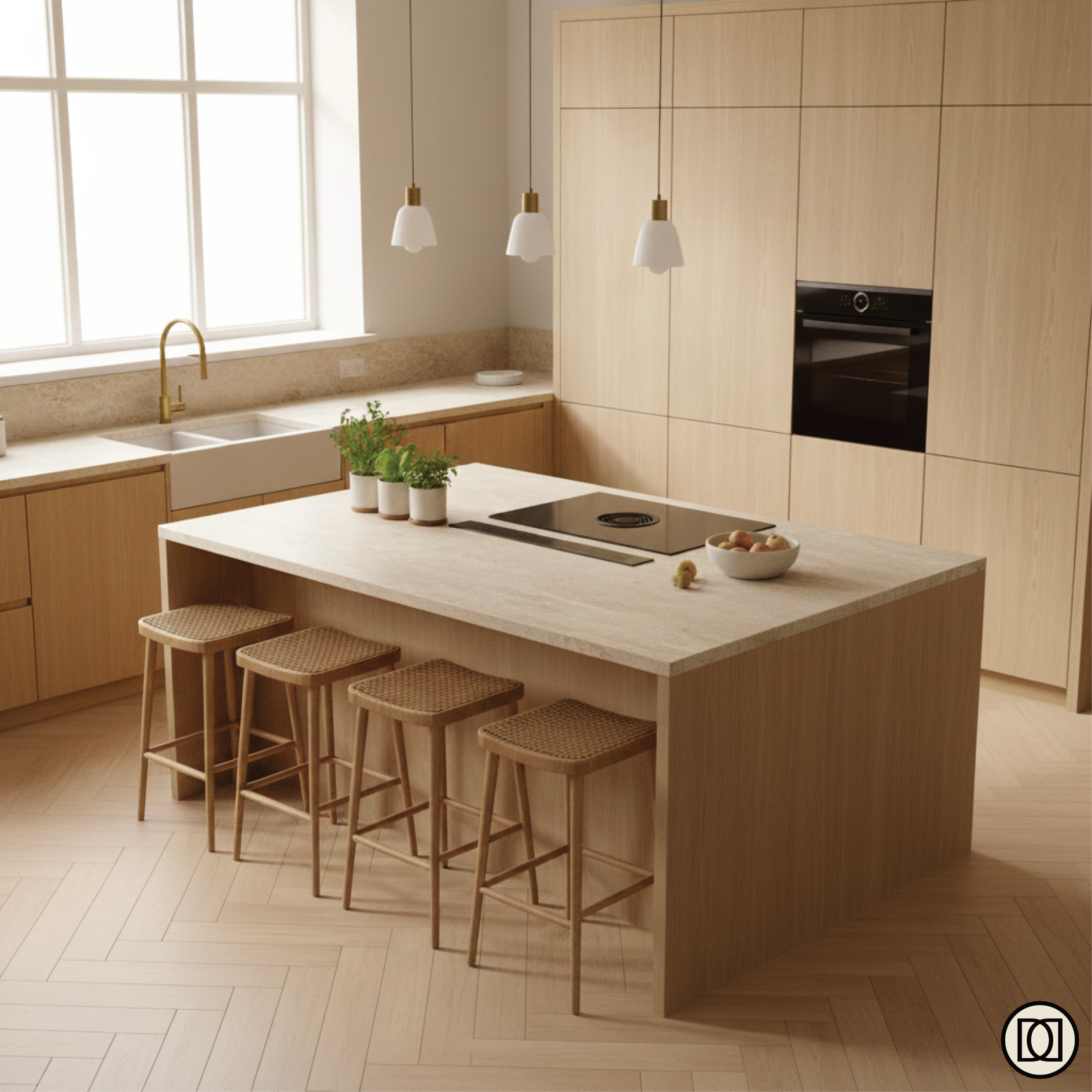
Kitchen Islands: When They Work and When They Get in the Way
Kitchen islands are highly desirable, but they either improve daily life or get in the way every single day. An island that looks impressive can quickly become a circulation obstacle, blocking movement, disrupting workflows and reducing usable space around appliances.
This article explores when an island genuinely earns its footprint and when simpler layouts work better. It explains how to test clearances, assess real use patterns and decide whether an island will support the way you cook, gather and move through the kitchen, rather than simply filling the plan.
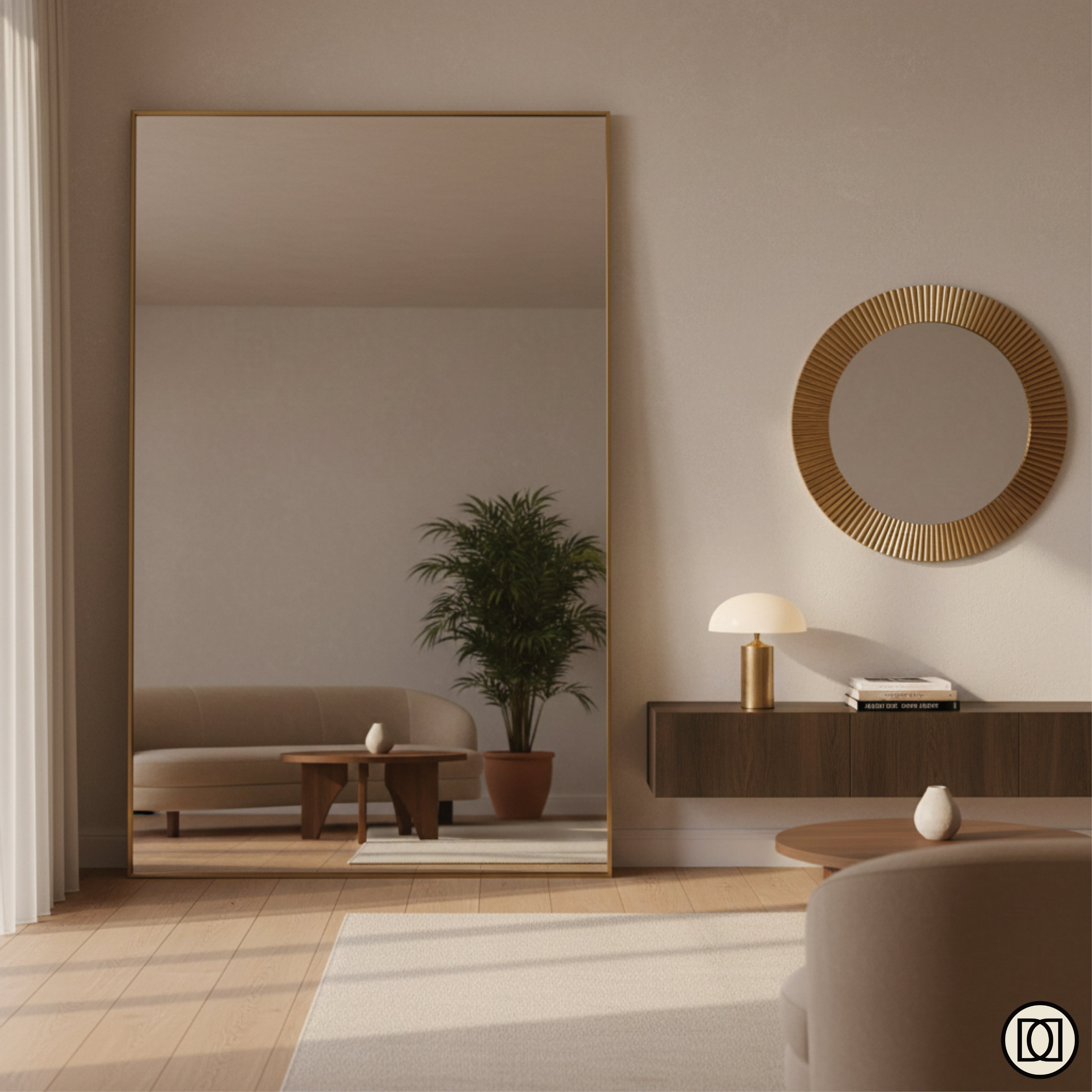
Mirrors: Where They Help and Where They Hurt
Mirrors are often chosen as decoration, yet their real impact is architectural. Used well, they bounce light deeper into a space, rebalance proportions and make dark or narrow rooms feel significantly more generous. Used badly, they simply double clutter, glare or awkward views.
This article explains how to choose the right scale, position and style so mirrors enhance light and clarity rather than creating visual noise. It shows why what a mirror reflects matters more than the mirror itself, and how small placement changes can transform the effect.
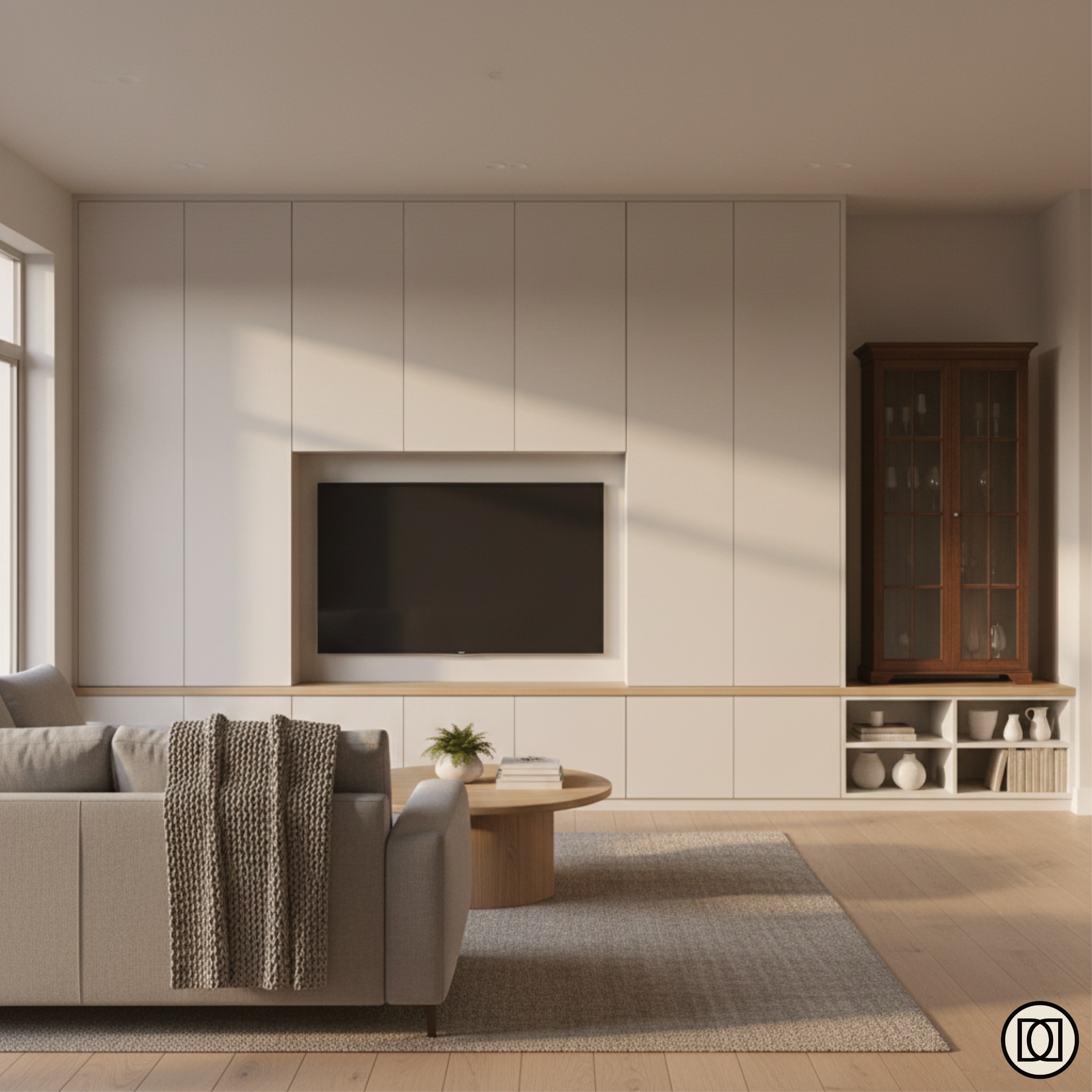
Built-In Storage: When It’s Worth It and When It Isn’t
Built-in storage can make a home feel effortless and composed, hiding clutter and maximising space. But when it is overused or poorly planned, it can feel heavy, inflexible and unnecessarily expensive, locking rooms into layouts that no longer adapt as life changes.
This article breaks down when bespoke storage genuinely adds value and when freestanding furniture is the better choice. It explores how room size, ceiling height and lifestyle should guide the decision, and how a balanced approach often creates calmer, more flexible interiors.
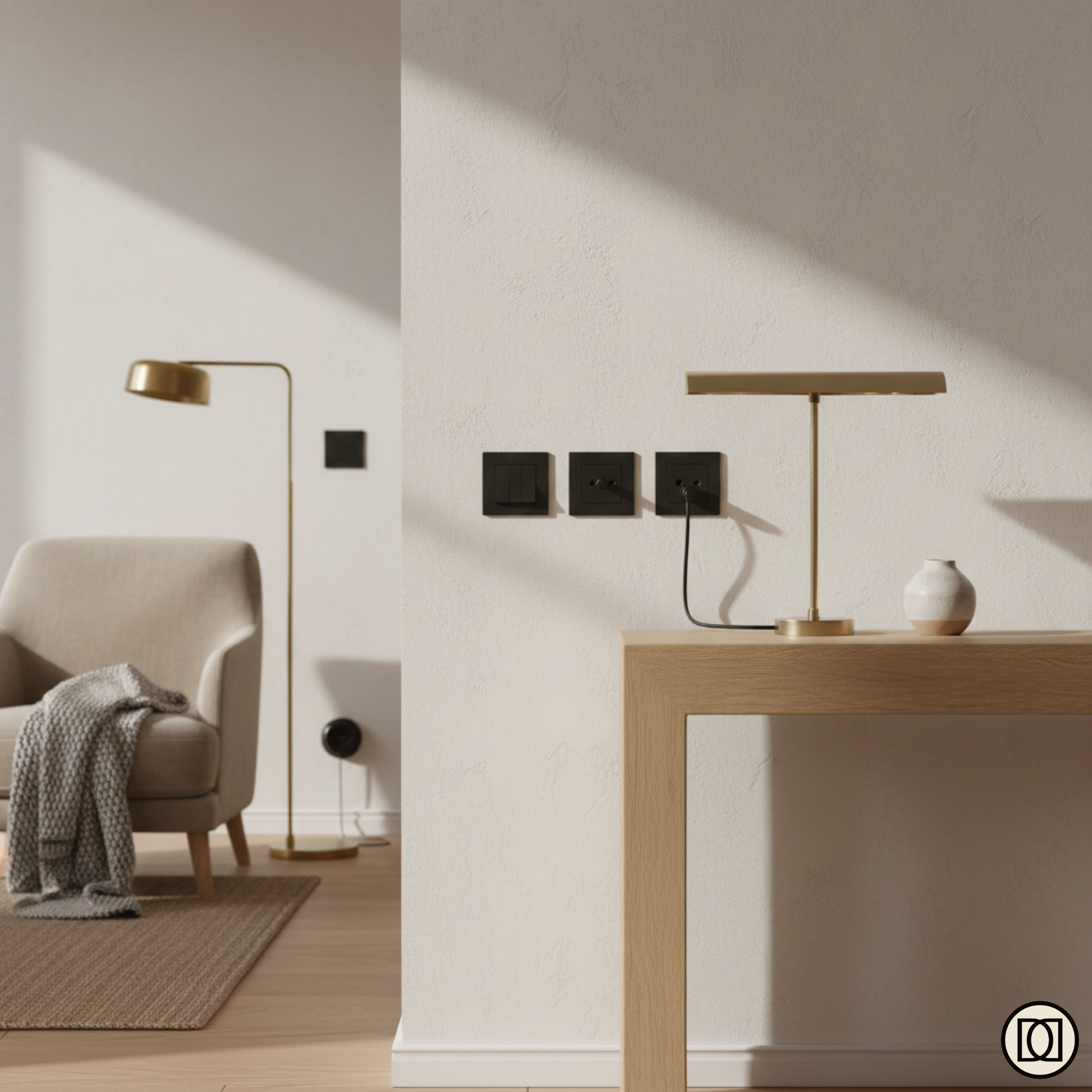
Sockets and Switches: Where They Actually Need to Go
Sockets and switches are rarely noticed when they are right, yet deeply frustrating when they are wrong. Too few outlets lead to extension leads and clutter, while poorly positioned switches interrupt furniture layouts and everyday routines. Inconsistent plate finishes can quietly undermine an otherwise calm interior, adding visual noise in places you interact with constantly.
This article looks at how to plan electrical points properly, based on how rooms are actually used rather than generic layouts. It explains how position, height, alignment and finish all affect daily comfort, and why thinking about sockets and switches early can dramatically improve how a home feels to live in.
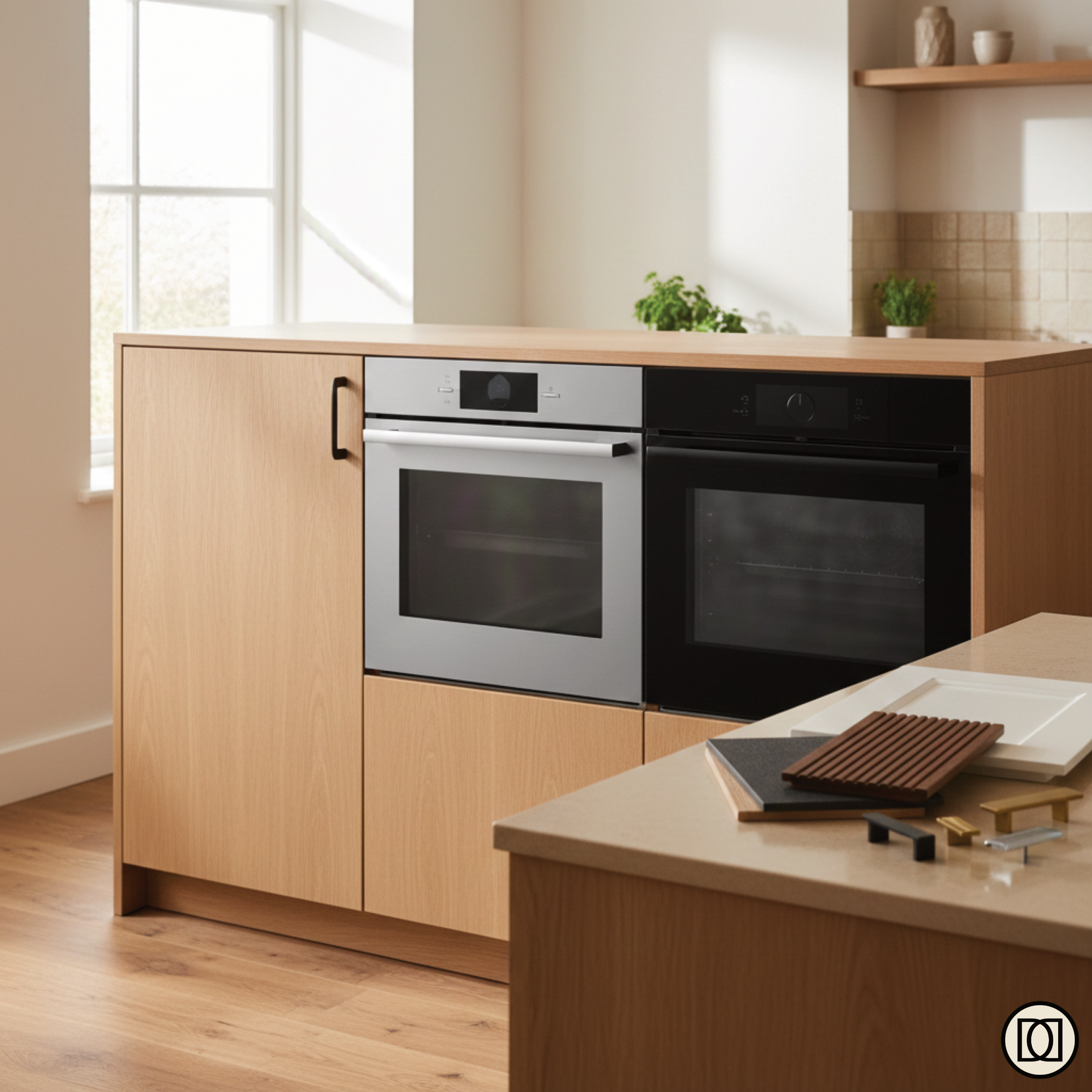
Choosing Kitchen Appliances That Actually Suit Your Life
Kitchen appliances have a bigger impact on daily life than almost any other design choice in the home. When they are chosen for brand names or surface appearance alone, the kitchen can look polished yet feel awkward to use, with unnecessary bending, poor workflow or constant noise in open-plan spaces.
This article looks beyond finishes and marketing to focus on how appliances actually support the way you cook. It compares integrated, stainless and freestanding options, and explains how oven height, fridge type, hob choice and noise levels affect comfort and efficiency day after day.
If you want a kitchen that feels intuitive rather than impressive only on day one, the right appliances are the ones that align with your habits. When function leads and aesthetics follow, the space becomes easier, calmer and far more enjoyable to live with.
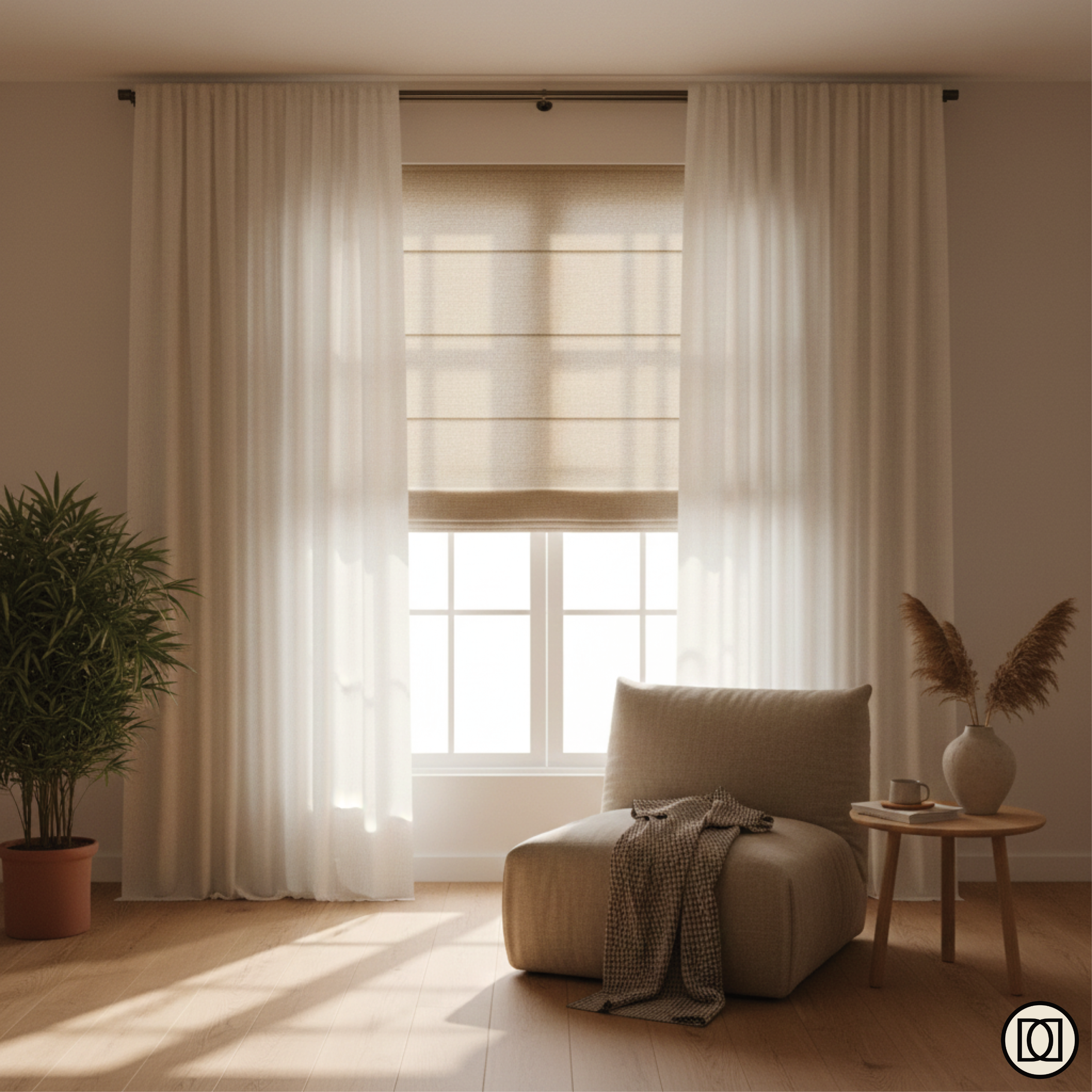
Curtains or Blinds? How to Choose What Works
Curtains and blinds do far more than cover a window. They shape how light enters a room, how sound is absorbed, and how comfortable the space feels to live in. When the wrong choice is made, even a well designed room can feel heavy, exposed or visually unsettled.
This article breaks down when curtains work best, when blinds are the smarter option, and how each affects proportion, warmth and atmosphere. It looks beyond preference or habit and focuses on how different rooms actually function, from busy kitchens to quiet bedrooms.
If you want window treatments that support the architecture rather than compete with it, the key is to let light, scale and use lead the decision. Chosen carefully, curtains and blinds can quietly improve both comfort and clarity throughout the home.
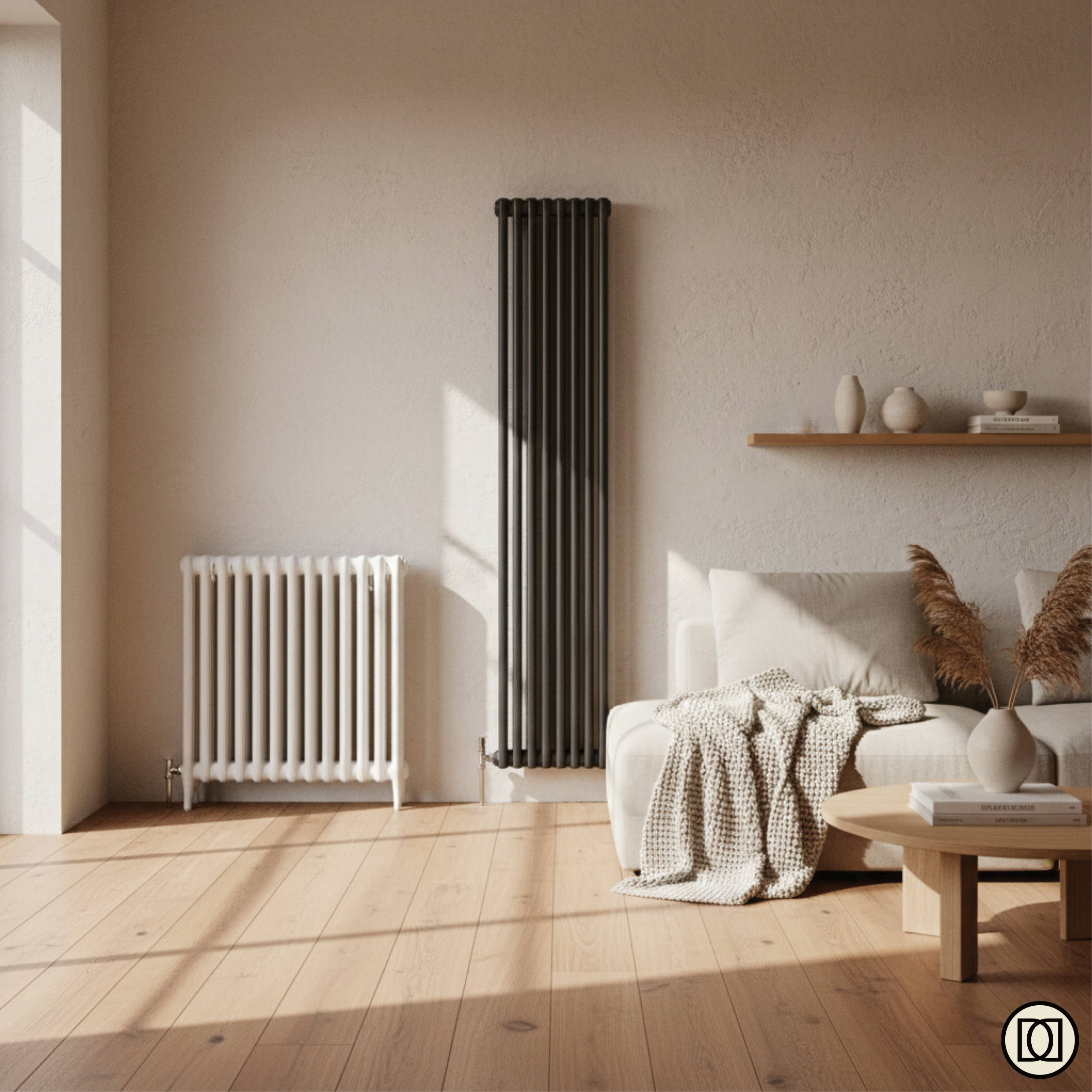
Choosing Radiator Styles That Suit Your Home
Radiators quietly shape how a room looks and feels, yet they are often chosen at the very end of a project. When the size, style or position is wrong, they draw attention for all the wrong reasons, either dominating a wall or disappearing while failing to heat the space properly.
This article looks at the three most common radiator types, column, flat panel and vertical, and explains where each works best. It explores how heat output, wall space and interior character should guide the choice, and why proportion matters just as much as performance.
If you want heating that feels integrated rather than bolted on, the answer lies in treating radiators as part of the room’s composition. Chosen early and sized correctly, they can support both comfort and visual balance instead of undermining it.

Garden Levels: Should You Step or Slope Your Garden?
Changes in level are one of the most powerful, and often most misunderstood, aspects of garden design. A sloping site can feel awkward or underused, but it can also become a real asset if it is handled with care. The wrong approach can lead to excessive walls, awkward steps or spaces that look formal without being functional.
This article explores the three main ways of dealing with level changes, stepping the garden, following the slope, or combining both. It explains how each option affects usability, movement and visual calm, and why the steepness of the site and the way you actually use the garden should lead the decision.
If you want a garden that feels considered rather than over-engineered, the answer is rarely all steps or all slope. The most successful layouts shape the ground where people gather, and allow the landscape to soften and flow elsewhere.
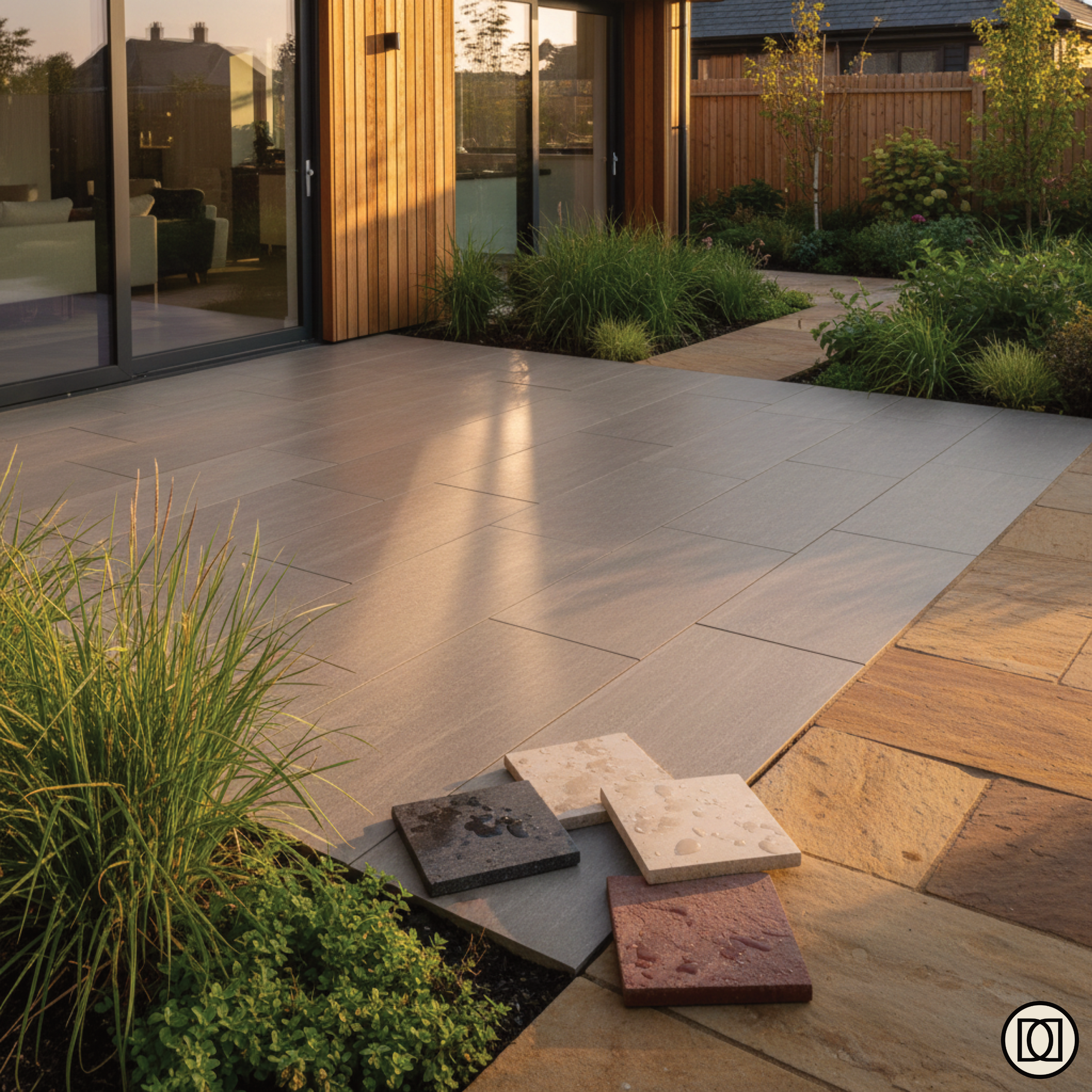
Choosing Patio Paving That Suits Your Garden
Patio paving is not just a surface you walk on. It sets the mood of the garden, influences how planting is perceived, and determines whether the space feels calm and connected or busy and fragmented. When paving is chosen from a showroom alone, without seeing it in real light and weather, the results can feel surprisingly disappointing once installed.
Most issues come down to scale, tone and texture rather than the material itself. This article compares natural stone, porcelain and concrete paving, and explains how each behaves in outdoor conditions. It looks at how colour shifts with light, how slab size affects the sense of space, and why the relationship between the patio and the house matters more than many people expect.
If you want a patio that feels settled into the garden rather than laid on top of it, the right choice starts with context. Light, planting, maintenance tolerance and proportion should guide the decision long before a sample book does.
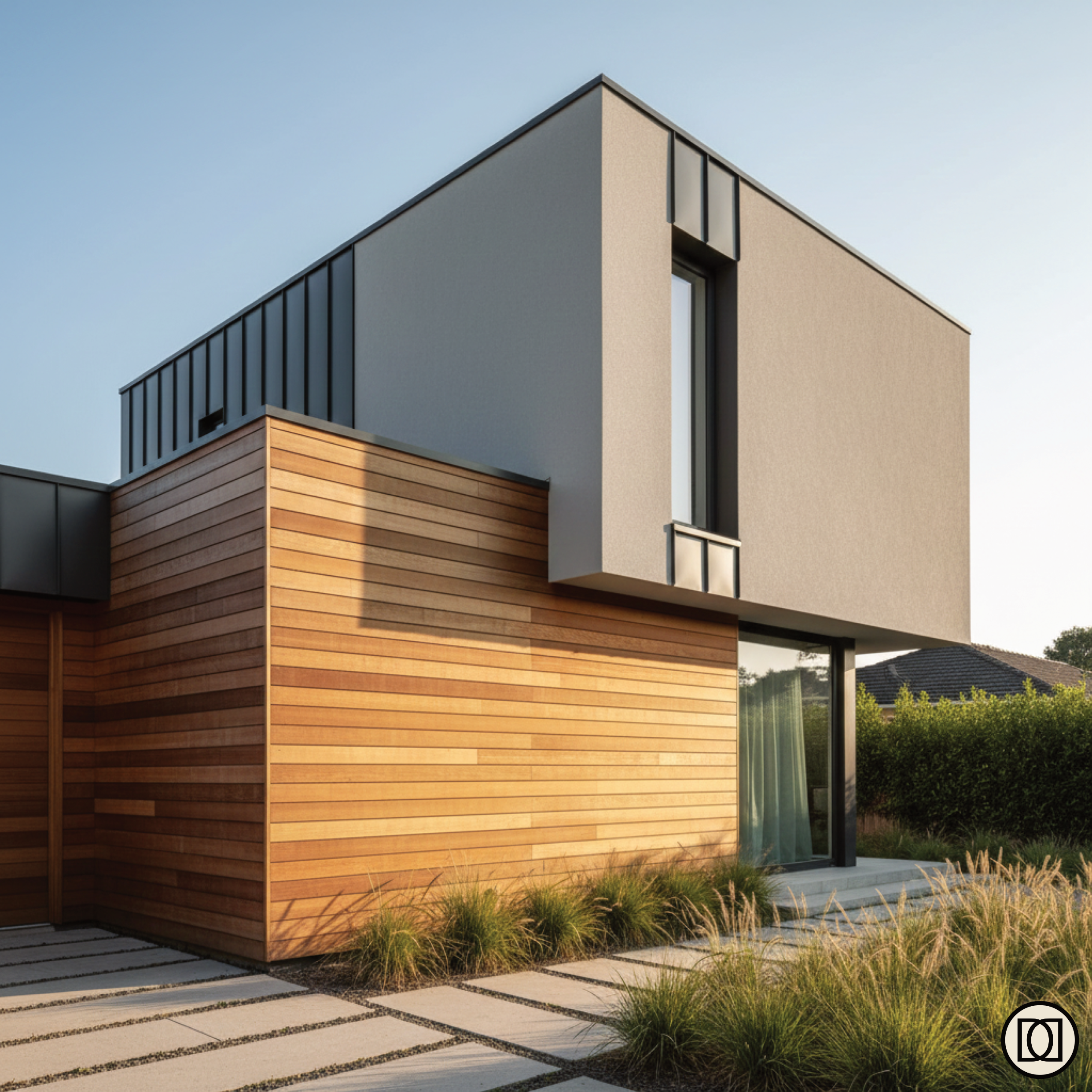
Choosing External Cladding: What Works for Your Home and Why
External cladding does far more than define how a house looks. It sets the tone for how the building weathers, how it is read from a distance, and how clearly its form is expressed over time. When cladding is chosen purely on appearance, without considering exposure, proportion or ageing, even well designed homes can start to feel confused or short-lived.
This article breaks down the most common cladding options for UK homes, from timber and render to composite and metal, and explains where each performs best. It looks at how orientation, climate and detailing affect long-term results, and why restraint is often the difference between a confident architectural statement and a decorative surface treatment.
If you want cladding that feels intentional, durable and aligned with your home’s architecture, the key is to start with the building’s form and environment, then select the material that reinforces both rather than fighting them.