
Choosing Indoor Plants That Improve a Room
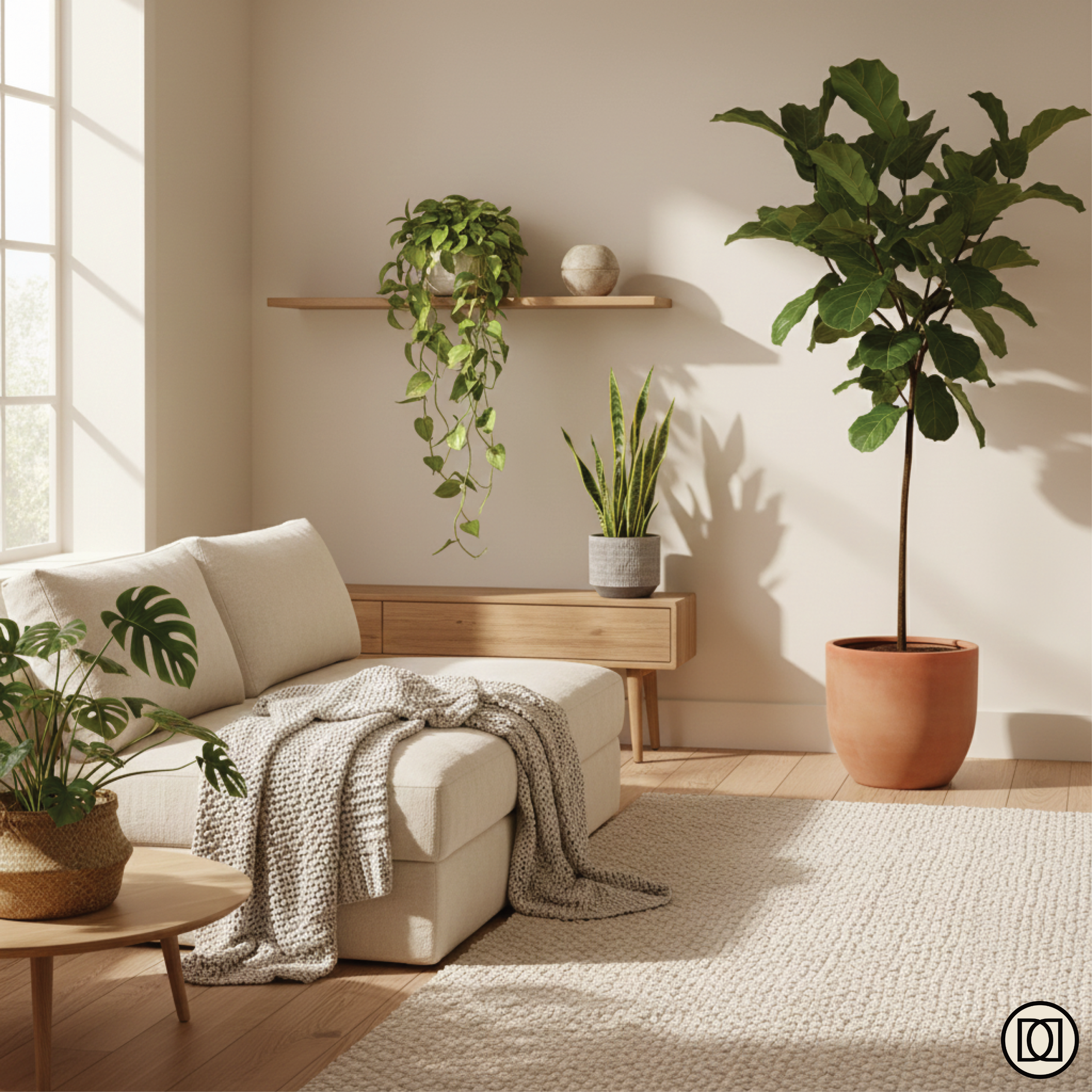
Indoor plants can quietly transform a room, adding life, softness and a sense of calm. But when the choice is wrong, or the placement is rushed, they can just as easily feel like clutter, blocking light, interrupting circulation or competing with furniture.
The most common mistake is choosing plants in isolation, based on how they look in a shop rather than how they will sit within a space. This article breaks plants down by form and behaviour, from tall architectural pieces to low, grounding foliage and trailing accents, and explains how each works with ceiling height, light levels and layout.
If you want plants to feel intentional rather than decorative, and to enhance the architecture rather than distract from it, the key lies in scale, position and restraint. A few well-placed plants will always do more for a room than filling every corner.
How to Choose the Right Dining Table Size and Shape
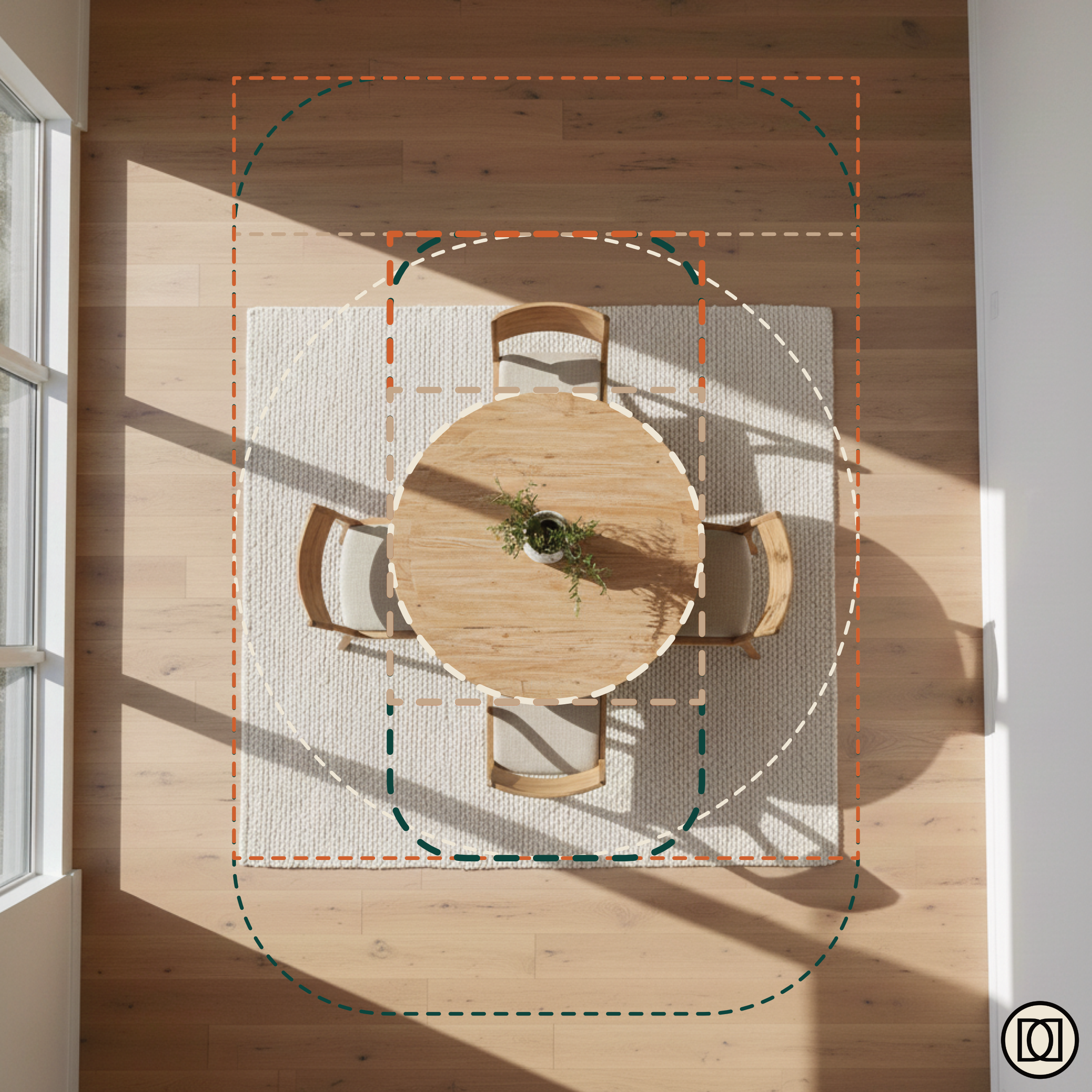
A dining table is not just a piece of furniture. It sets the rhythm of daily life, from quick breakfasts to long, noisy dinners with friends. When the size or shape is wrong, the room feels awkward to move through and uncomfortable to sit in, even if the table itself looks beautiful.
Most mistakes come from choosing on appearance alone, without testing how the table fits the room or how people actually gather around it. This article breaks down the strengths and weaknesses of rectangular, round and oval tables, explains the clearances that really matter, and shows how the right choice improves flow, conversation and everyday use.
If you want a dining space that feels generous rather than squeezed, social rather than obstructed, the right answer starts with proportion, circulation and seating needs, not just style.
Choosing the Right Rug Size for Your Living Room
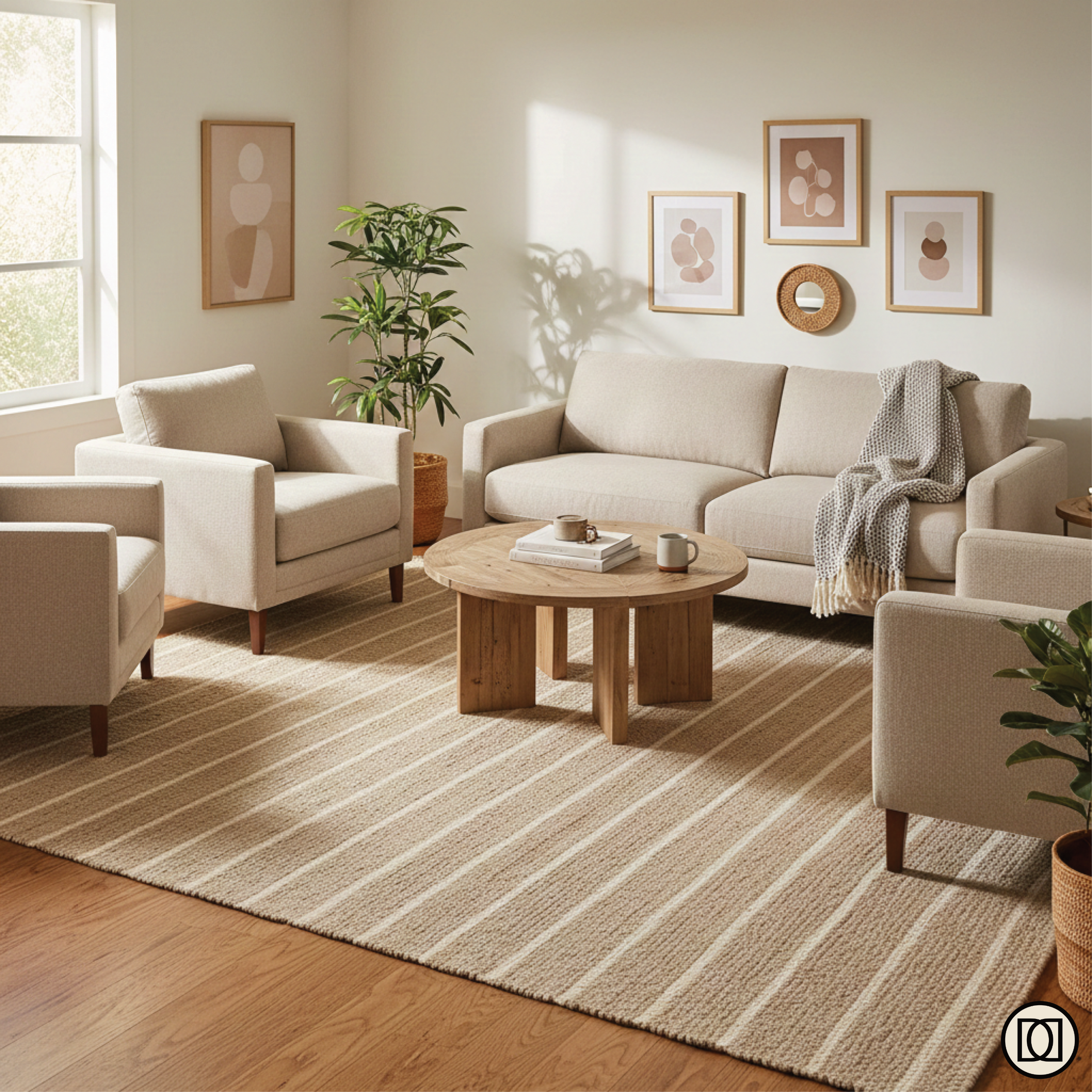
A rug does far more than add colour or texture. It quietly dictates how a living room feels to sit in, move through, and inhabit. Get the size wrong and the space can feel awkward or unresolved, no matter how good the furniture or finishes are. Get it right and the whole room suddenly clicks into place.
Most rugs are chosen too small, usually because scale is underestimated or layout is not considered early enough. This article breaks down the common options, explains how rug size affects proportion and circulation, and shows why a larger rug is often the most effective and confidence-building choice for UK living rooms.
If you want your seating to feel intentional rather than scattered, and your living room to feel calmer, larger, and more cohesive, the answer is rarely about colour first. It is about size, placement, and how the rug supports the way the room actually works.
Minimal or Maximal? Choosing an Interior Style That Fits
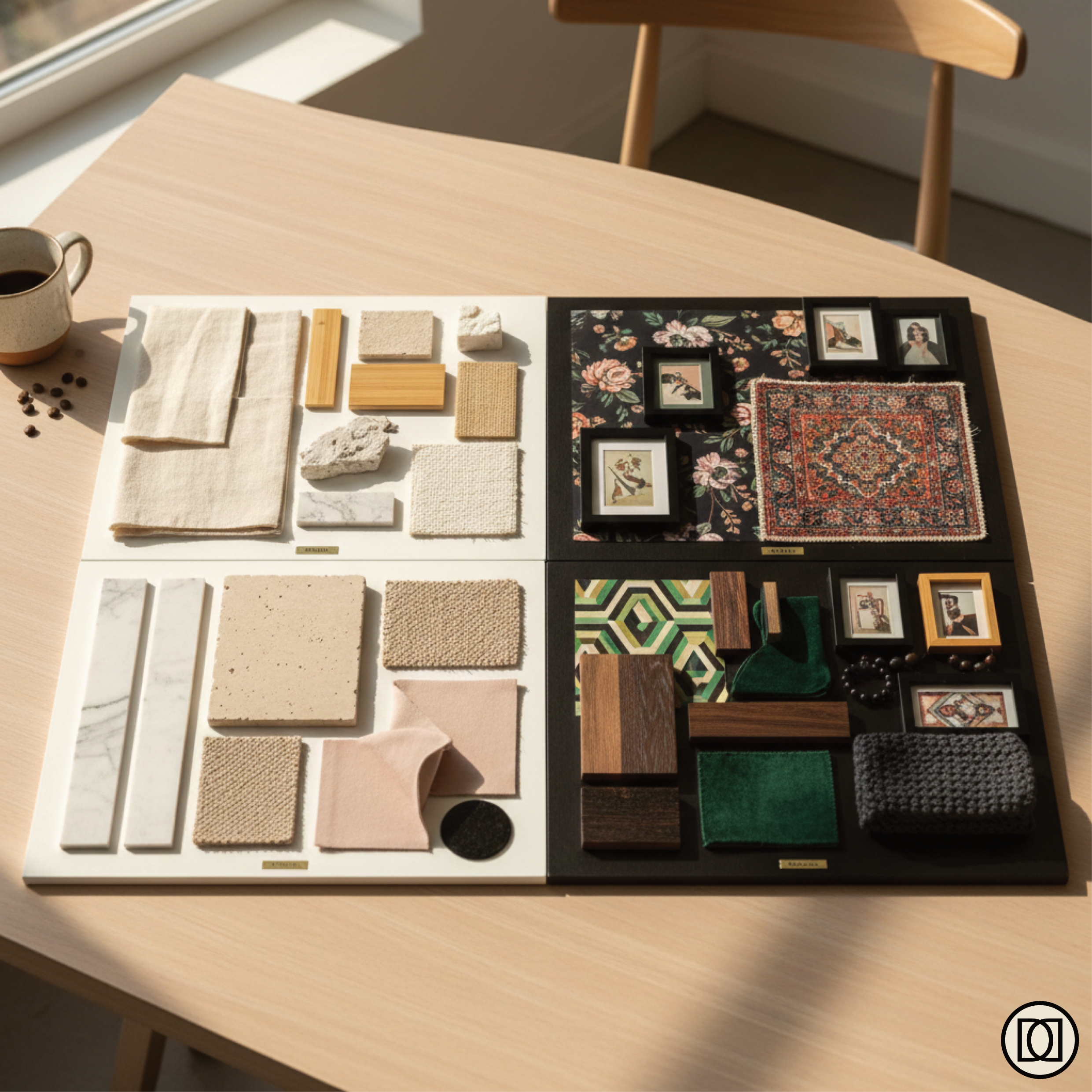
Choosing between a minimal interior and a maximal one is rarely as straightforward as it sounds. Most homes and most people sit somewhere in the middle, which is why the tension between calm simplicity and expressive layering shows up so often. A room that naturally wants to feel quiet can start to look cluttered when too many elements are added. A room that would benefit from personality can end up looking flat when everything is stripped back. The challenge is understanding which direction truly suits the space and how you live.
Minimal interiors rely on clarity and breathing room, allowing materials, proportions and light to take the lead. Maximal interiors celebrate richness, pattern and collected objects, creating depth and warmth. Both can be beautiful, and both can work in the right context. The key is recognising what your architecture, your lifestyle and your sense of comfort actually support.
When the style aligns with the character of the home, the result feels intentional rather than forced. A minimal palette can make a compact room feel open and calm. A more layered approach can give an uninspiring space the life it is missing. The aim is not to choose a trend but to create a room that feels natural to you and consistent in its direction.
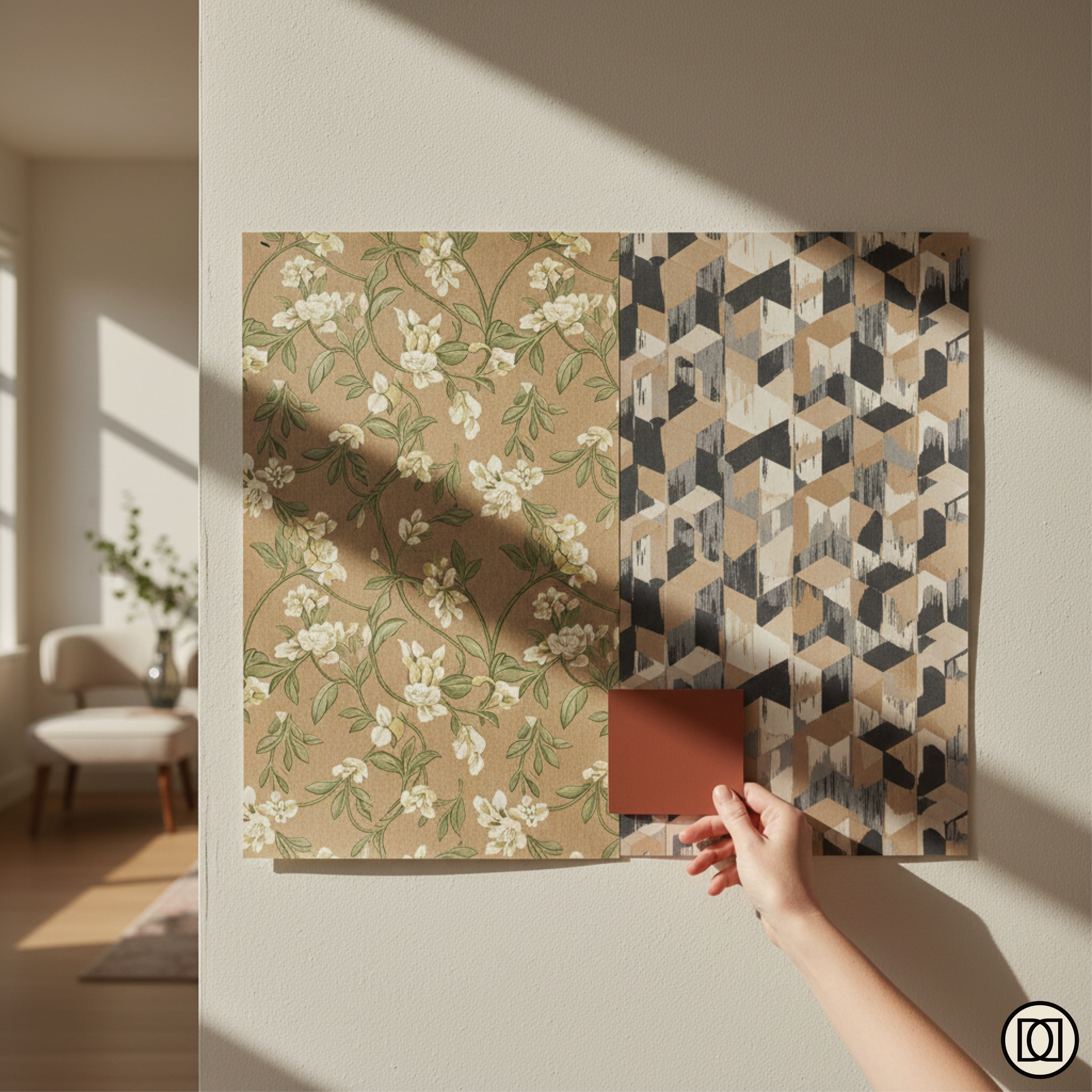
Choosing Wallpaper: Pattern, Scale and Where It Actually Works
Wallpaper has a rare ability to change the character of a room in a single step. It can add depth, warmth and personality in a way that paint cannot, yet it is also one of the easiest design choices to misjudge. A pattern that feels gentle on a small sample can become overpowering at full scale, while a delicate motif can disappear entirely in a space that is already visually busy. The challenge lies in understanding how scale, colour and pattern behave once they meet the architecture and light in your home.
Some wallpapers bring subtle texture and movement, others introduce a confident focal point and some sit somewhere in between. The right choice depends on the size of the room, how much daylight it receives and how the surrounding materials behave. Get these relationships right and wallpaper becomes a natural extension of the space. Get them wrong and the room can feel unsettled or cluttered.
The goal is to choose a pattern that enhances the mood you want rather than one that competes with it. When the scale suits the proportions of the room and the tones relate to the flooring and furniture, wallpaper can lift a space in a way few other elements can achieve.
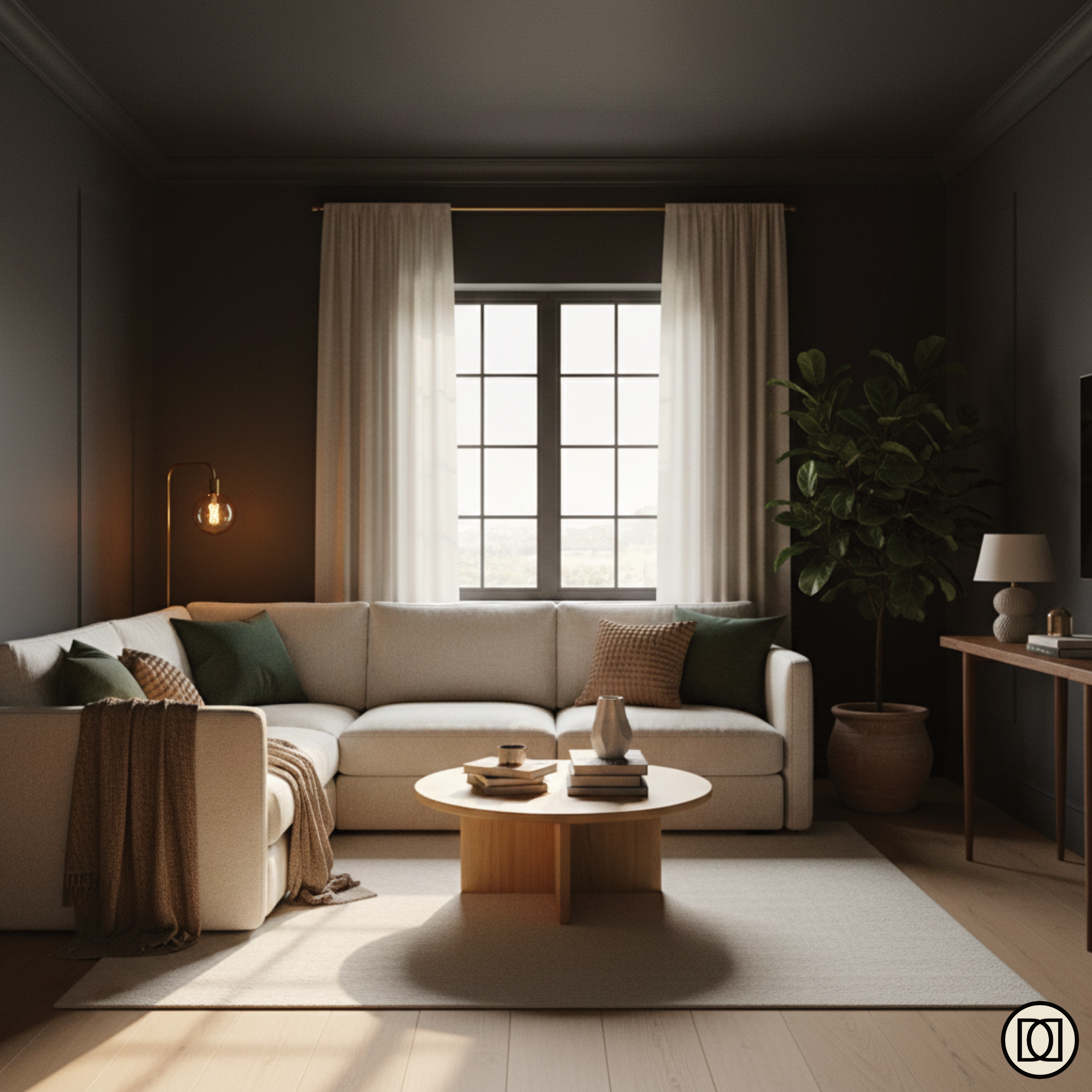
Should You Paint a Small Room Dark?
Small rooms are often painted light by default, guided by the idea that pale colours automatically make a space feel larger. In reality, this approach can leave a room looking washed out, with shadows that feel more pronounced and an atmosphere that lacks intention. Sometimes a deeper colour brings the very qualities a small room is missing. It can add richness, create a sense of comfort and shift the focus from size to mood.
Understanding whether to go light or dark begins with the purpose of the room and the type of light it receives. Light neutrals can feel calm and open when daylight is strong. Mid-tones add warmth and depth in a way that feels more thoughtful. Darker shades can transform a small, awkward room into something cosy and characterful, provided the lighting and undertones are chosen carefully.
When the colour supports how the room is actually used, the result feels natural rather than forced. Dark walls can create a unified, inviting space, while lighter ones can keep a bright room feeling airy. The key is deciding which atmosphere best suits the room, then choosing a colour that helps it come alive.
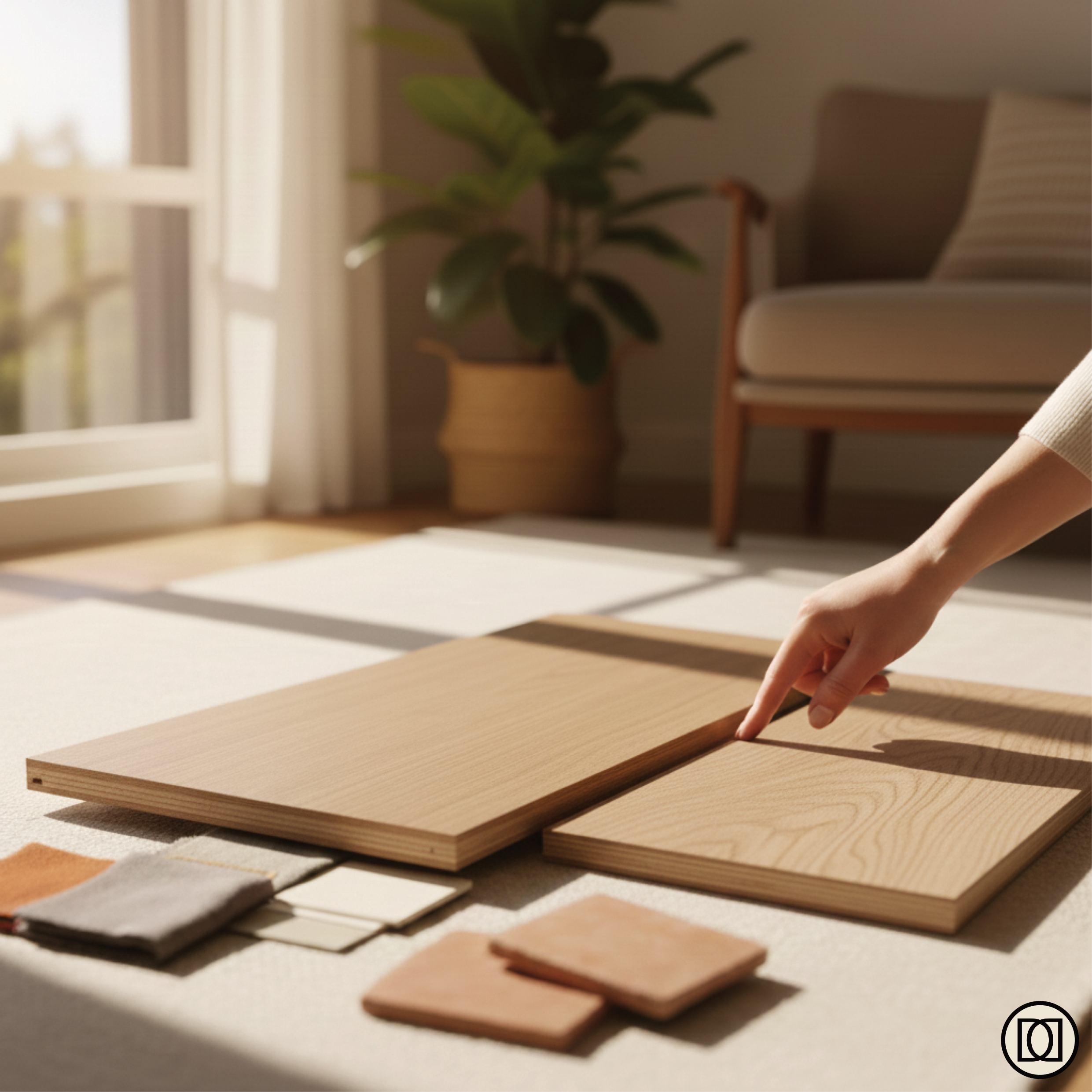
Timber Flooring: How to Choose the Right Board for Your Home
Timber flooring has an unmatched ability to make a home feel grounded, warm and inviting, yet choosing the right board is rarely as simple as picking a colour you like. With so many variations in undertone, grain, board width and finish, the process can shift quickly from exciting to overwhelming. A floor that looks perfect in a showroom can appear too orange, too grey or simply out of character once it meets the light and materials in your own home. The challenge is selecting a timber that supports the long-term atmosphere you want rather than one that competes with it.
Different tones bring different qualities. Pale timbers lift and brighten a space. Mid-tones offer an easy, versatile balance that suits most interiors. Dark boards add richness and depth but demand generous light and careful styling. Each option reacts differently to daily life, and each affects how calm, spacious or lively a room feels.
When chosen well, timber flooring becomes the quiet foundation of a room. It adds character without shouting and warmth without overwhelming, and it adapts as your home evolves. Once the tone, undertone and board width work together with the architecture, everything else settles into place with far less effort.
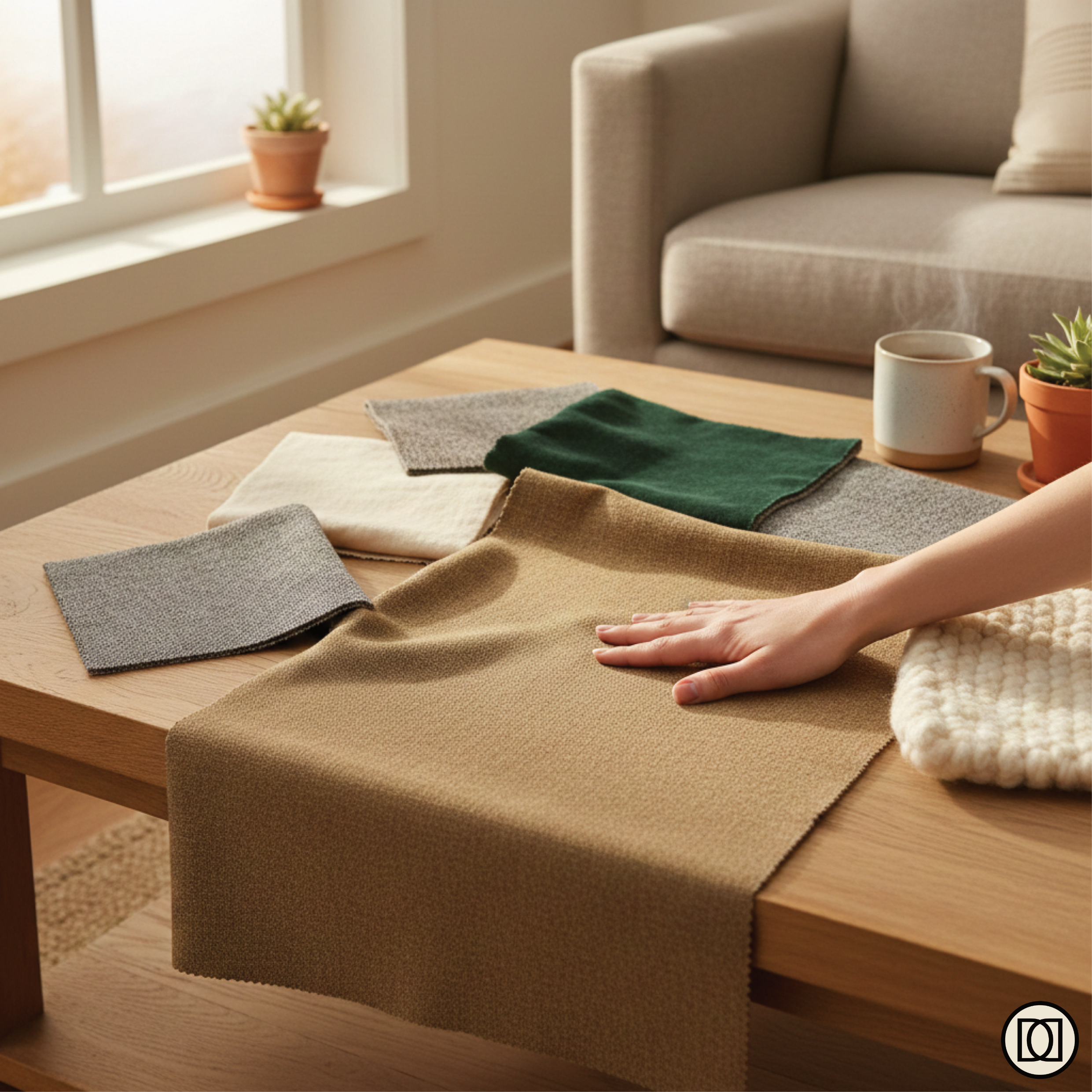
Upholstery Fabrics: Choosing What Works for Real Life
Selecting upholstery fabric seems straightforward until you start living with it. A sofa is touched, leaned on and lounged across every day, so the material you choose has to feel inviting while standing up to real use. A fabric that looks perfect in a showroom can fade in strong daylight, show every crease or begin to wear far sooner than expected. The challenge lies in finding something that looks refined, feels comfortable and holds its appearance over time.
Different fabrics offer different strengths. Linen brings an effortless, relaxed elegance but shows creasing in busy households. Velvet adds richness and depth but needs a gentler environment. Wool blends are resilient and forgiving, making them ideal for rooms that work hard. Performance fabrics, meanwhile, are engineered for day-to-day life, resisting stains and standing up to children and pets, though they vary widely in quality and tactility.
Ultimately, the best choice depends on how your room is used, how much sunlight it gets and how much maintenance you’re willing to take on. When the fabric relates to the colours already in the space and performs well under everyday conditions, the entire room feels calmer, more cohesive and more durable. The goal is simple: a sofa that looks good, feels good and still works beautifully years down the line.
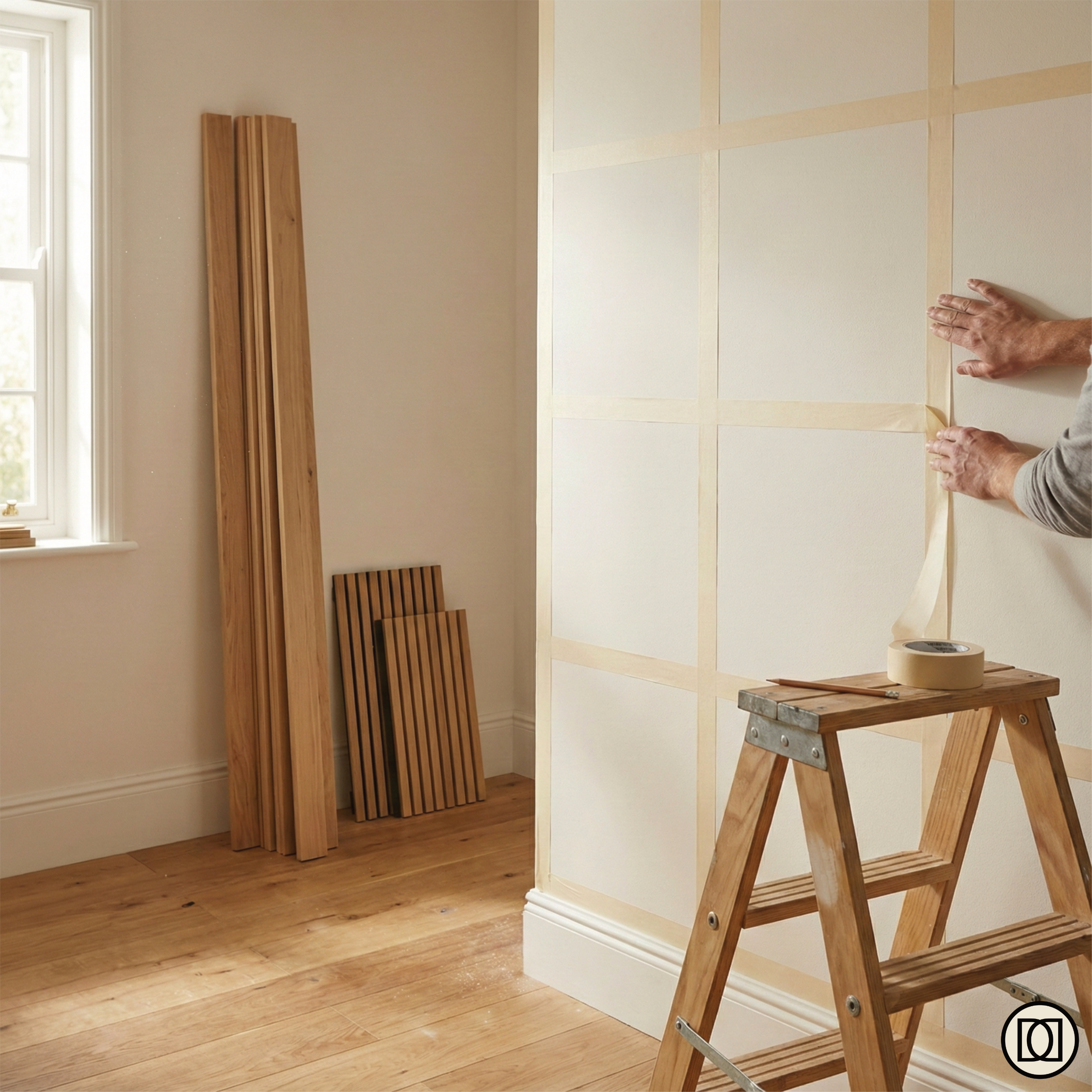
Interior Wall Panelling: When It Helps and When It Doesn’t
Interior wall panelling has become a favourite way to bring depth and character to a room, yet it’s one of the easiest design features to misjudge. In the right setting it can add warmth, rhythm and architectural presence. In the wrong one it can feel decorative for the sake of it, competing with the proportions of the room or distracting from the materials that should take the lead. The challenge is understanding whether panelling will genuinely elevate a space or simply add another layer of visual noise.
Different styles offer different strengths. Slim vertical boards can make a narrow hallway feel taller and calmer; traditional grid patterns bring structure to period homes; timber slats introduce a modern, textural softness ideal for a focal wall. Each can look beautiful, but each has a context where it succeeds and a context where it quickly feels overdone.
Ultimately, good panelling works with the room rather than against it. It respects the architecture, responds to the light and enhances the atmosphere instead of overwhelming it. When chosen thoughtfully and used sparingly, it becomes a subtle backdrop that enriches everyday life rather than a feature that demands constant attention.
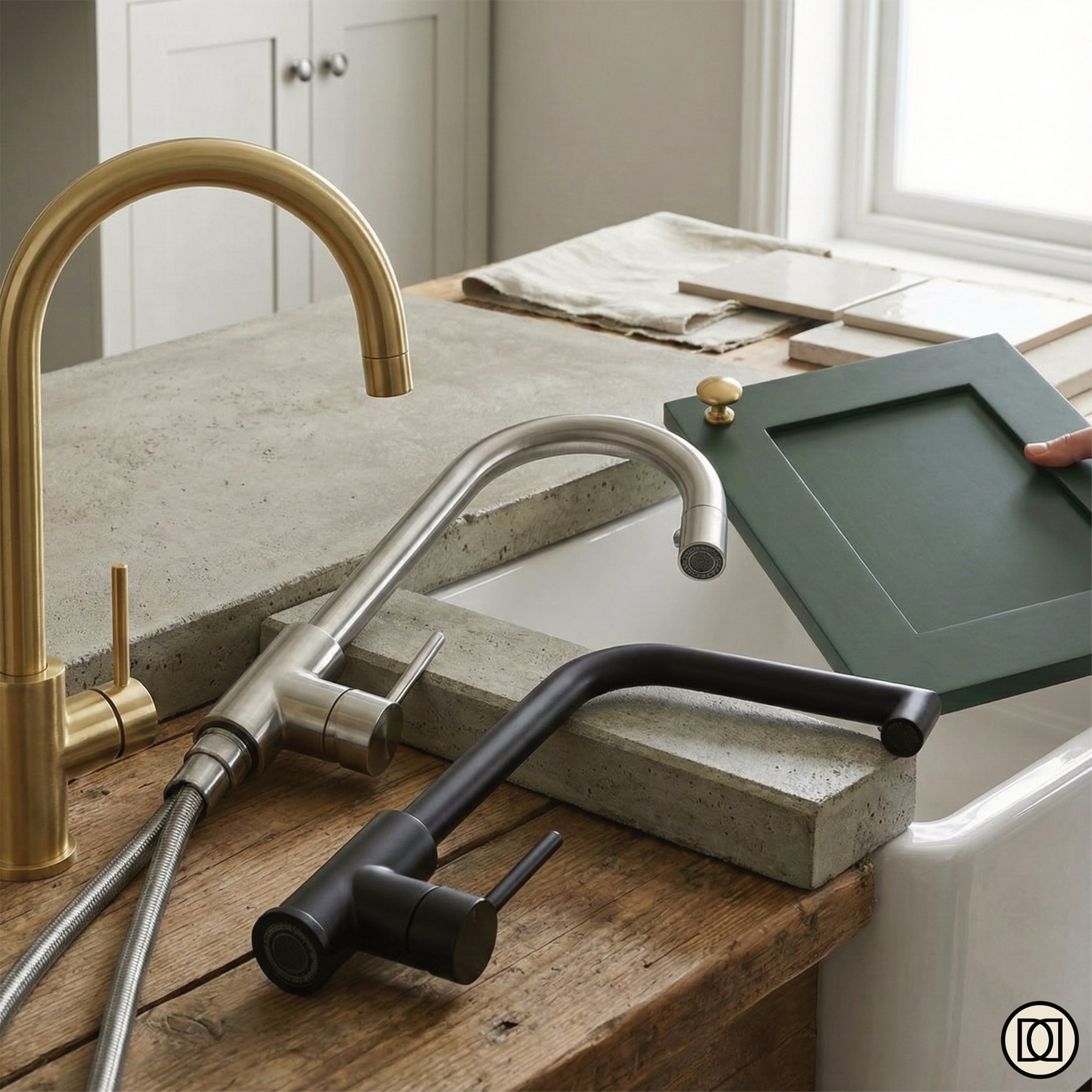
Choosing a Kitchen Tap That Works Day to Day
Choosing a kitchen tap seems straightforward until you realise how many times you use it in a single day. It’s the quiet workhorse of the room, yet it’s often selected at the last minute, guided more by appearance than by comfort or practicality. A tap that’s too tall can spray everywhere, one that’s too small can make simple tasks awkward, and one that’s overly sculptural can dominate a kitchen that’s meant to feel calm and balanced.
The real challenge is finding a tap that supports the way you cook, clean and move around the space. High-arc designs can feel beautifully architectural, but they rely on the right sink beneath them. Pull-out sprays add an impressive level of utility but introduce more mechanics and visual weight. Low-profile taps stay discreet and controlled, though they won’t help much with tall pots or heavy-duty washing.
Ultimately, the best tap is the one that feels effortless. It should sit comfortably with your sink depth, your worktop materials and the overall scale of the kitchen. When a tap is well matched, you notice how smoothly everything works; when it isn’t, the small frustrations add up quickly. The goal is a tap that enhances the everyday tasks you barely think about, while blending seamlessly into the design around it.