
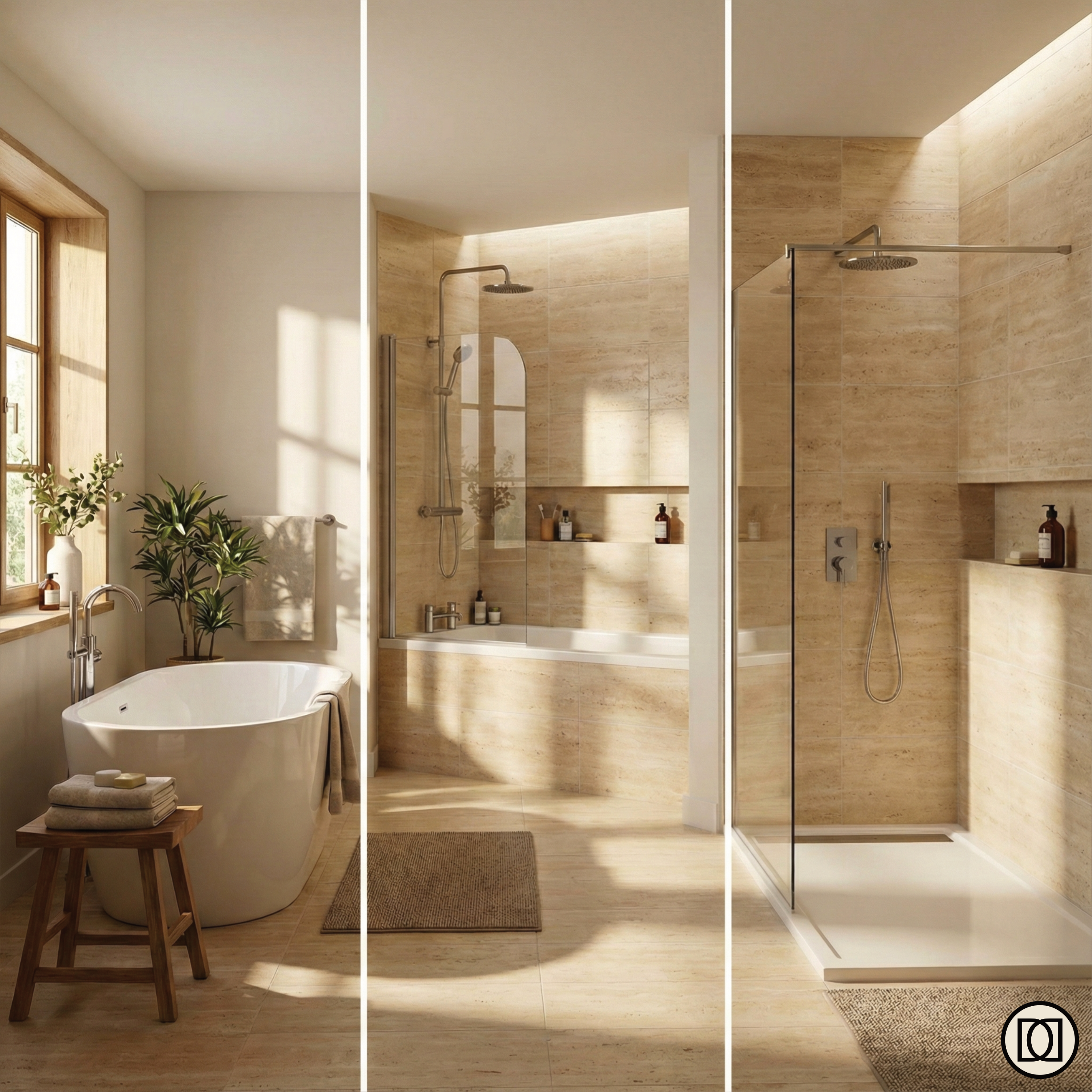
Bath or Walk-In Shower? Making the Right Choice
Choosing between a bath and a walk-in shower is one of the most common bathroom dilemmas, yet it’s often the most personal. For some, a long soak is an essential ritual that anchors the end of a busy day. For others, nothing beats the ease and comfort of stepping straight into a spacious, open shower. When space only allows for one or the other, the decision can feel surprisingly weighty, touching on how you relax, how you move through your morning routine and how the room itself feels.
It’s easy to default to what you think a bathroom is supposed to have, but the best choice is the one that genuinely makes everyday life smoother. A bath brings clear advantages for families with young children and anyone who loves the slower pace it encourages, yet it can feel restrictive if you mainly shower. A walk-in, on the other hand, offers a generous sense of space and straightforward maintenance, transforming even modest bathrooms into something calmer and more luxurious.
At its core, this decision is about honesty: how you live now, who uses the room and how much space you have to work with. When a bath feels squeezed in, it can compromise both comfort and layout; when a walk-in is properly sized and thoughtfully detailed, it can redefine the room entirely. The goal isn’t to follow convention but to choose the feature that will serve you best every day.
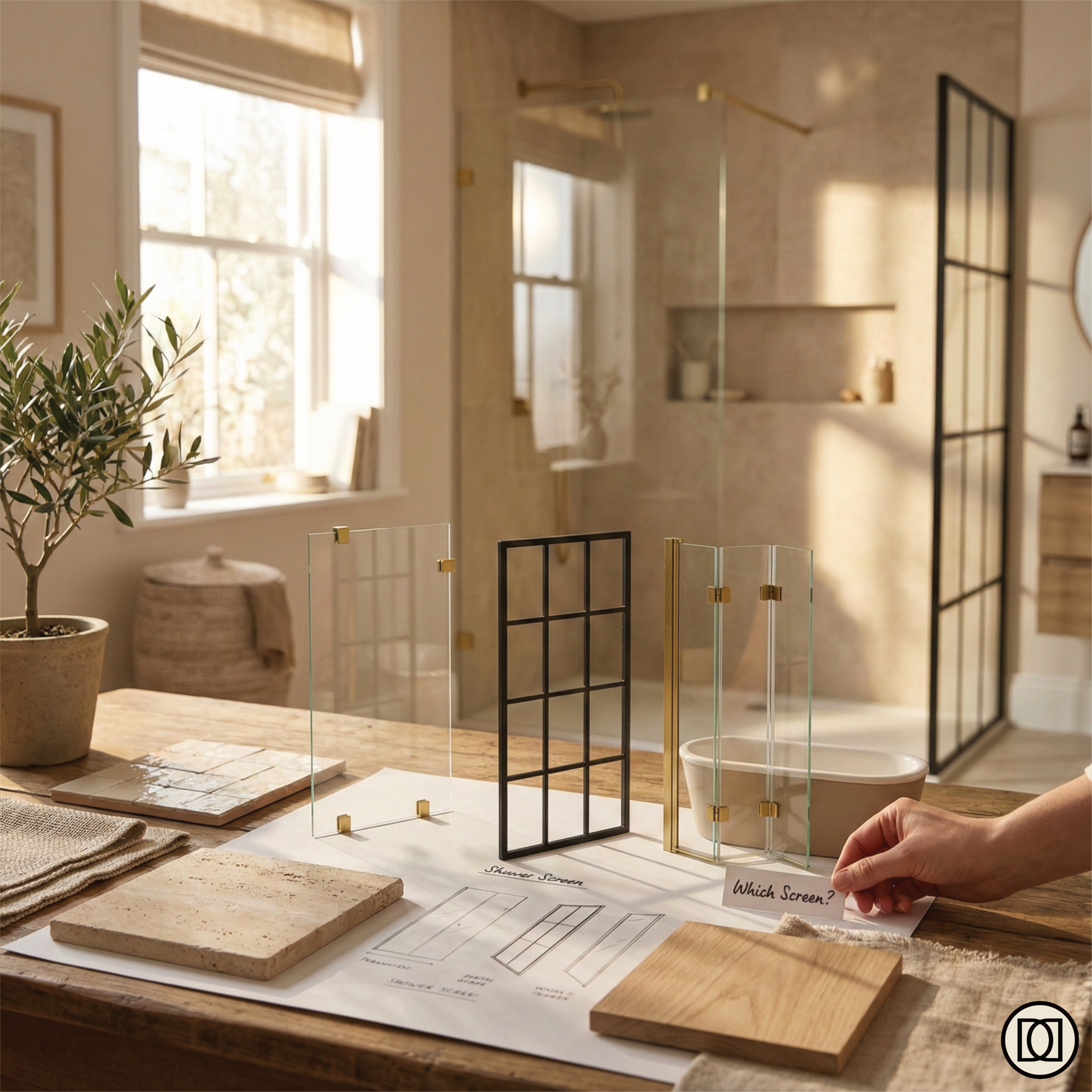
Shower Screens: Which Type Works Best for Your Bathroom?
Choosing a shower screen is one of those quietly important decisions that can elevate a bathroom or hold it back. It’s not just a piece of glass; it shapes how spacious the room feels, how easy it is to keep clean and how comfortably the shower works day to day. Pick the wrong one and a compact bathroom can feel cramped, while a generous bathroom can suddenly look cluttered. Pick the right one and everything feels clearer, calmer and more intentional.
From barely-there frameless panels to bold black grids, from slim folding screens to solid framed options, each choice brings its own personality and practical strengths. The key is matching the screen to the scale of the room, the type of shower you have and how much visual structure you want in the space. Some bathrooms thrive on openness; others benefit from a bit of definition. And for anyone battling with splash zones, tight door swings or tricky layouts, the mechanics matter just as much as the aesthetics.
In the end, most homes work beautifully with a simple frameless fixed panel that keeps the space feeling light and uncluttered. But when a bathroom already has strong materials or expressive patterns, a slim, well-detailed frame can subtly anchor the composition without overwhelming it. The trick is to consider how the screen supports the room as a whole, then choose the option that feels effortless rather than forced.
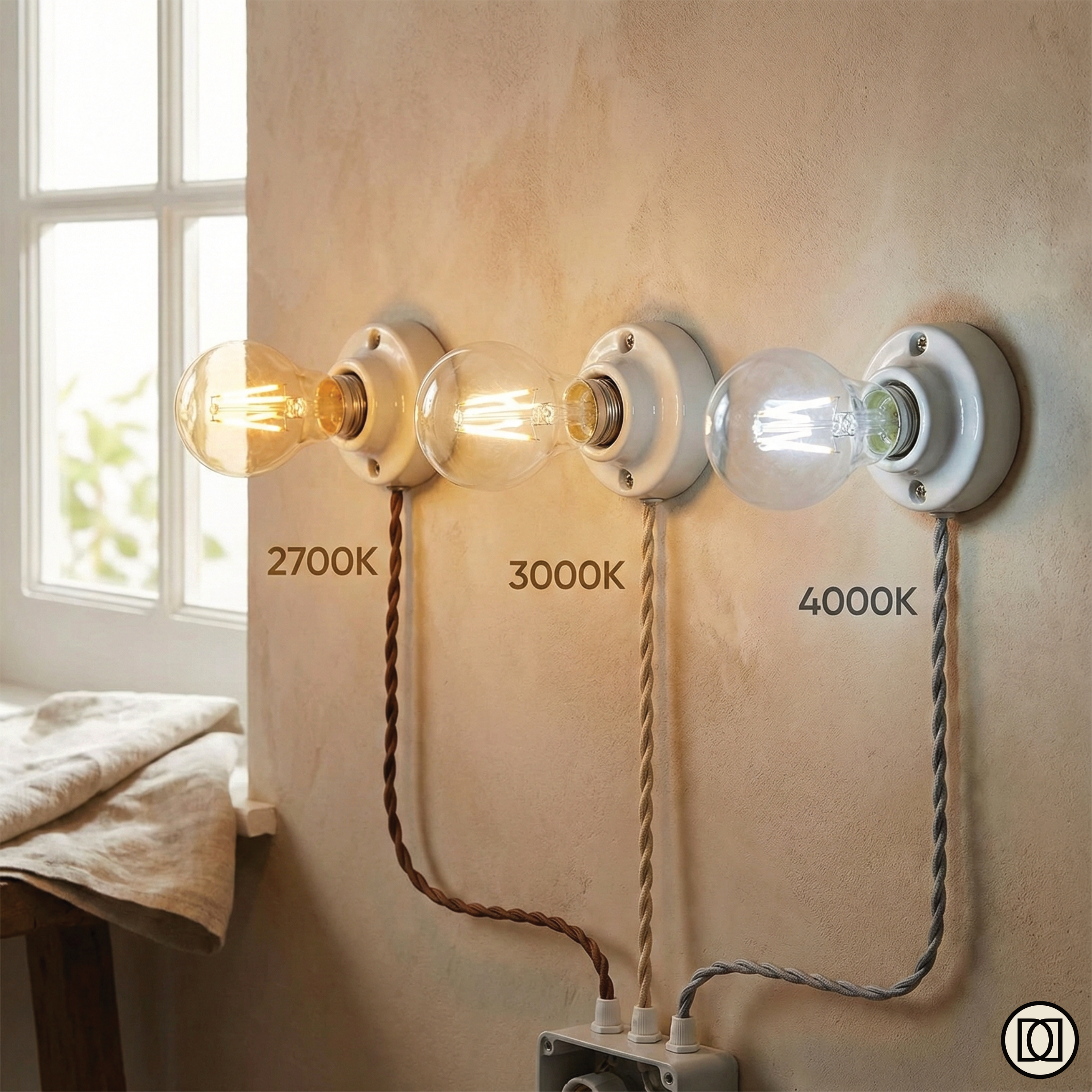
Choosing Lighting Temperatures for a Comfortable Home
Light shapes atmosphere more than any piece of furniture. You can have the perfect layout and beautifully chosen materials, but if the colour temperature is wrong, the whole room feels off. Too cool and the space turns flat and clinical. Too warm and it can slip into muddiness. The real task is understanding how different temperatures behave in real rooms and choosing the one that supports the mood you want. When you match the light to the purpose, the palette and the quality of daylight, everything begins to feel more comfortable and coherent.
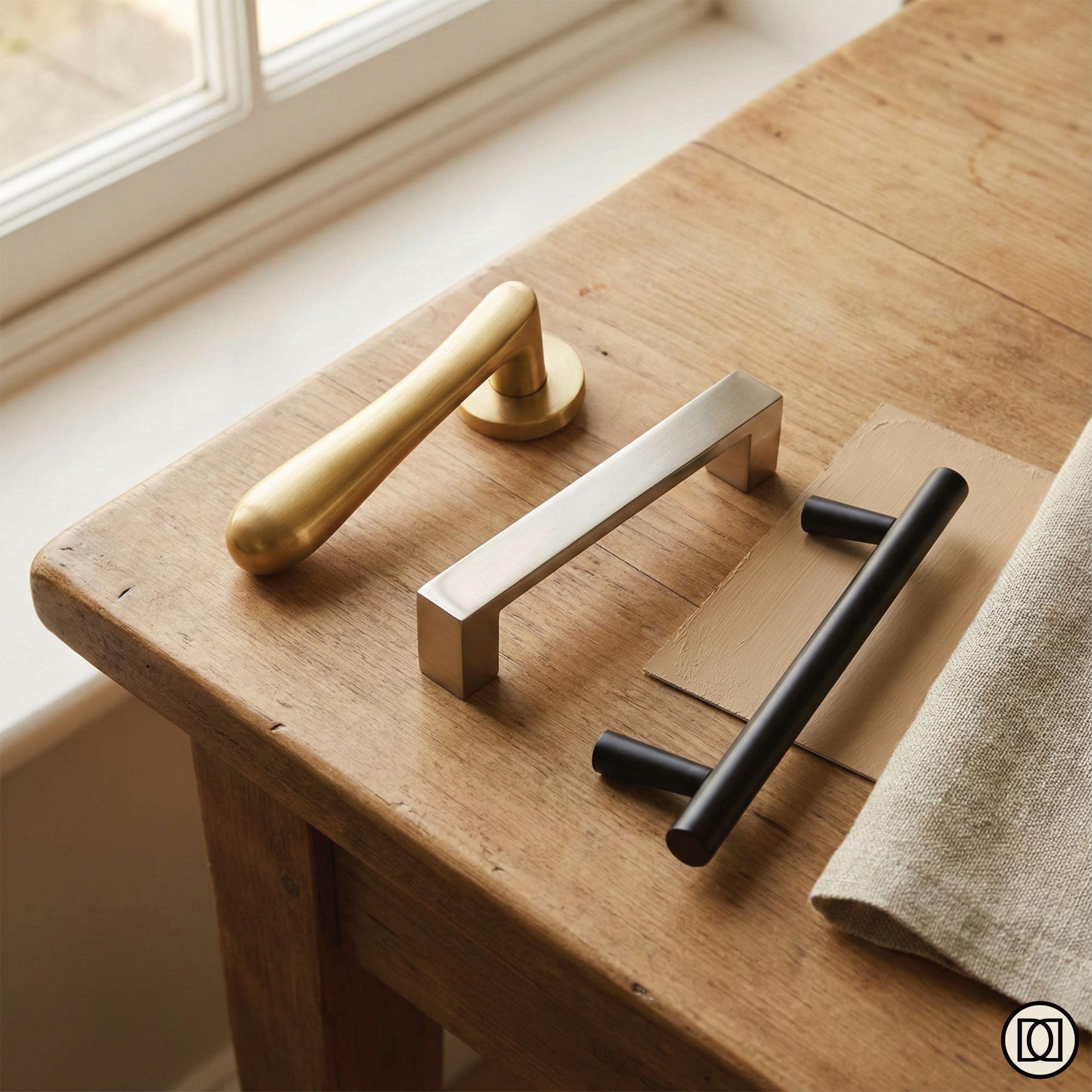
Ironmongery: Small Details That Shape a Room
Ironmongery might be small, but it carries surprising influence. A handle is often the first thing you touch when entering a room, and its tone, weight and detailing quietly set expectations for the space beyond. Get it right and the whole room feels more considered. Get it wrong and it becomes a daily frustration, no matter how beautiful the rest of the interior may be. The challenge is looking beyond style alone and choosing hardware that works with your materials, your lighting and the way you use your home every day.
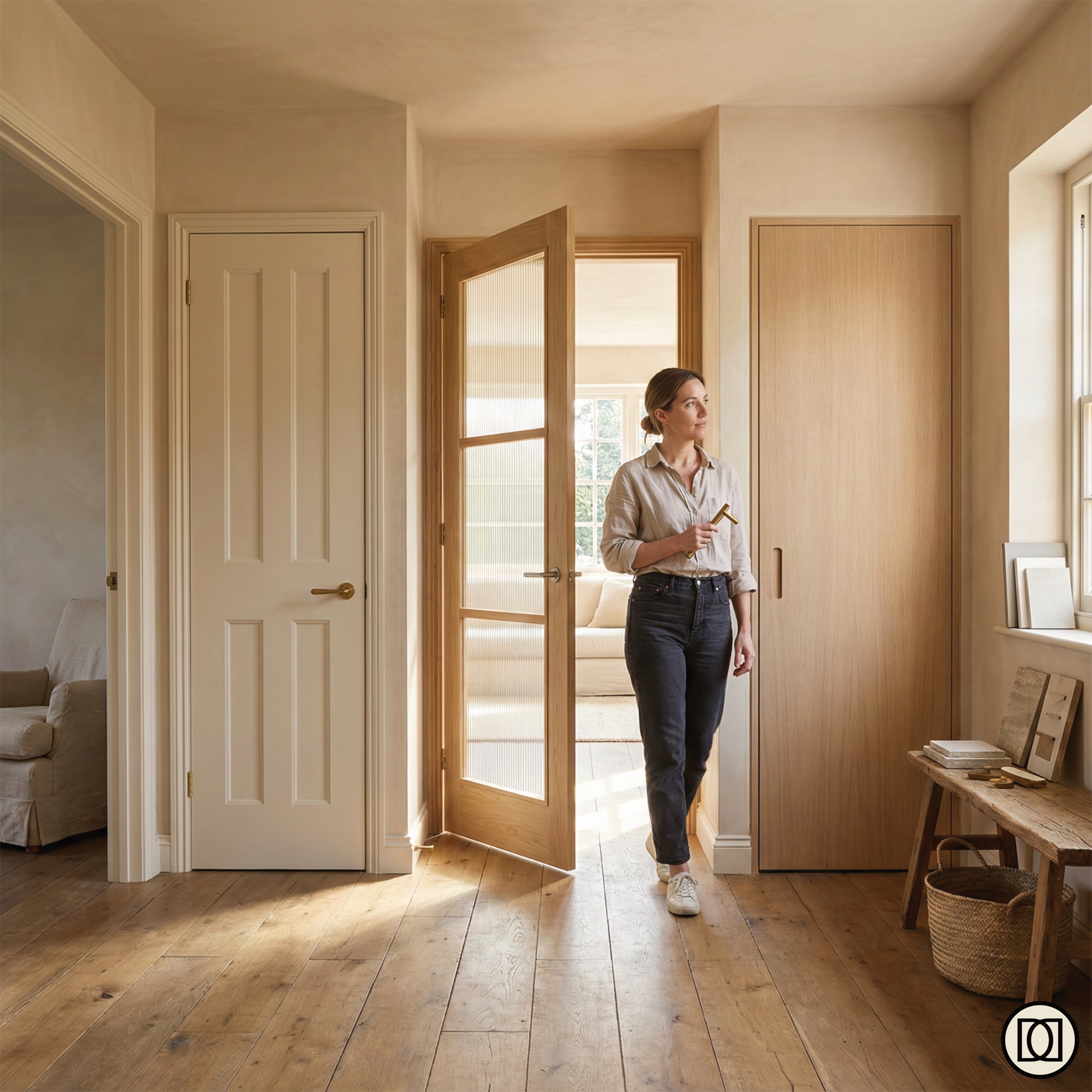
Choosing Internal Doors That Feel Right for Your Home
Internal doors rarely get the attention they deserve, yet they quietly shape how a home feels. They influence movement, light, height and even the atmosphere of adjoining rooms. Choose well and the whole house feels more coherent; choose in a hurry and the result can feel mismatched or underwhelming. The key is understanding what each door style brings to a space and selecting one that supports the architecture you already have. When the proportions, detailing and materials are considered together, doors stop being a background element and become a subtle but powerful part of the home’s character.
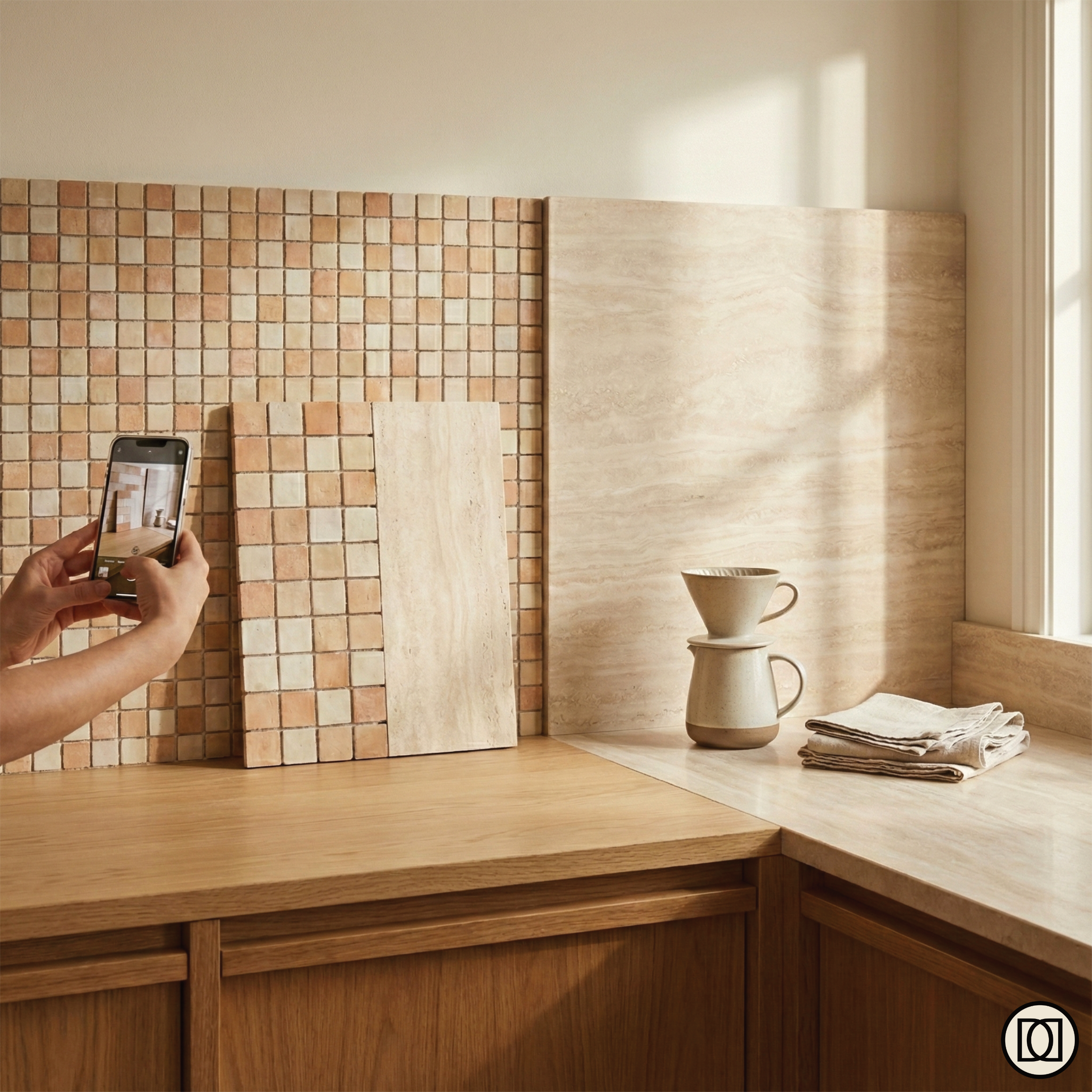
Tile or Slab Splashback? How to Decide
Choosing between a tiled or slab splashback isn’t just a matter of taste. It’s one of those deceptively small decisions that quietly shapes the entire mood of a kitchen. Sitting right at eye level, the splashback connects the worktop to the walls and sets the tone every time you walk into the room. Yet many homeowners make the choice on instinct, guided by whatever they last saw on Instagram, rather than by what their space actually needs.
The real question isn’t which option is more fashionable, but which one makes your kitchen feel balanced. Tiles bring texture, rhythm and a sense of craftsmanship. Slabs offer calm, continuity and a more architectural feel. Understanding how each behaves in relation to your worktop, your room’s style and the way you cook every day is the key to getting it right.
When you step back and look at the space as a whole, the decision becomes far simpler: choose the material that complements what’s already doing the heavy lifting in the room. Sometimes that means letting a beautiful worktop sing against a pared-back tile. Other times, a quiet, minimal kitchen benefits from the subtle drama of a single stone plane.
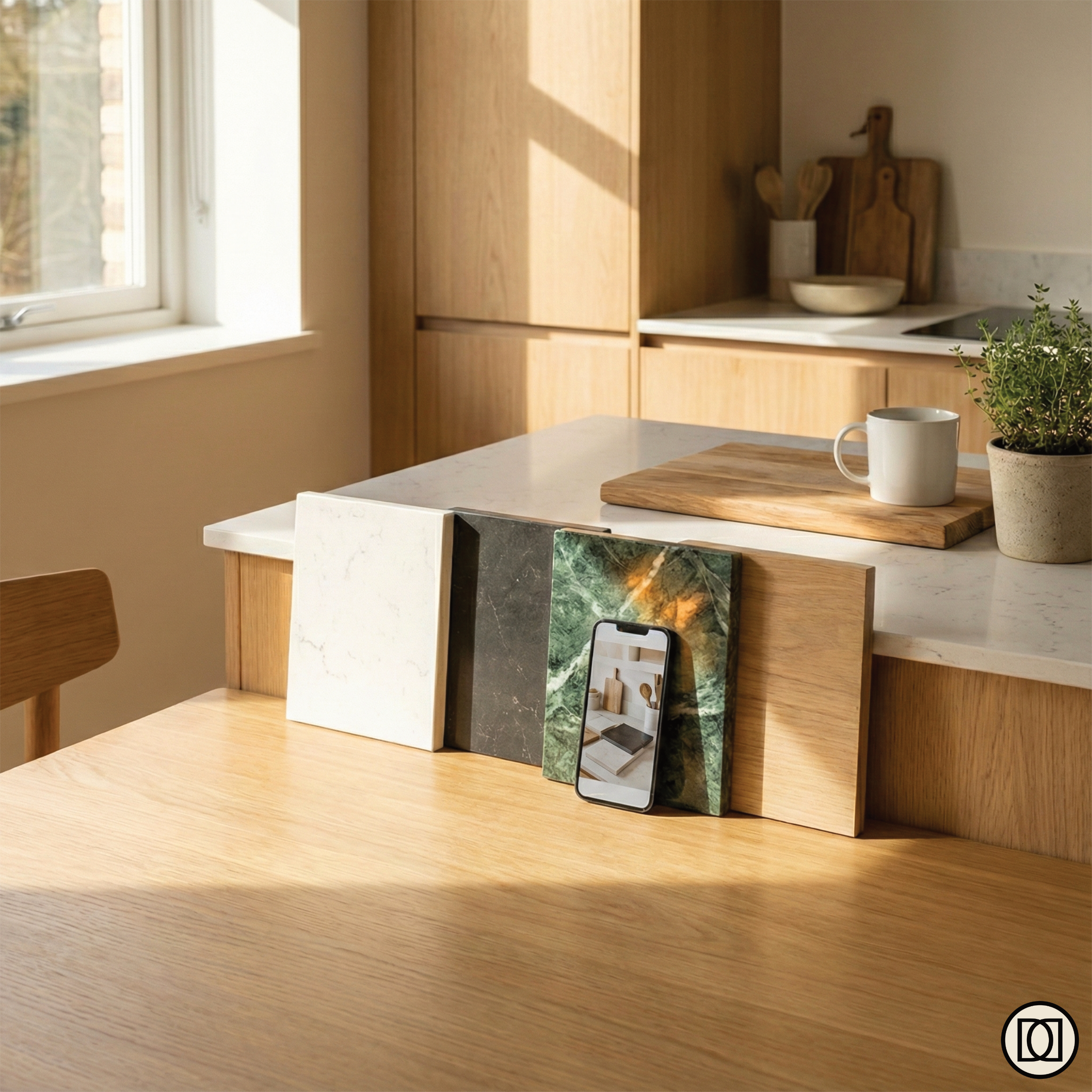
How to Choose a Kitchen Worktop
Choosing a kitchen worktop is rarely straightforward. It’s the surface you use for everything — chopping, prepping, baking, spilling, wiping, and occasionally dropping something heavier than intended. Yet many homeowners focus on appearances first and practicality second. The real question isn’t which material looks the most impressive, but which one will quietly support your daily rituals. This guide breaks down the options, explains how to read your space, and helps you choose a worktop that feels effortless to live with, day after day.
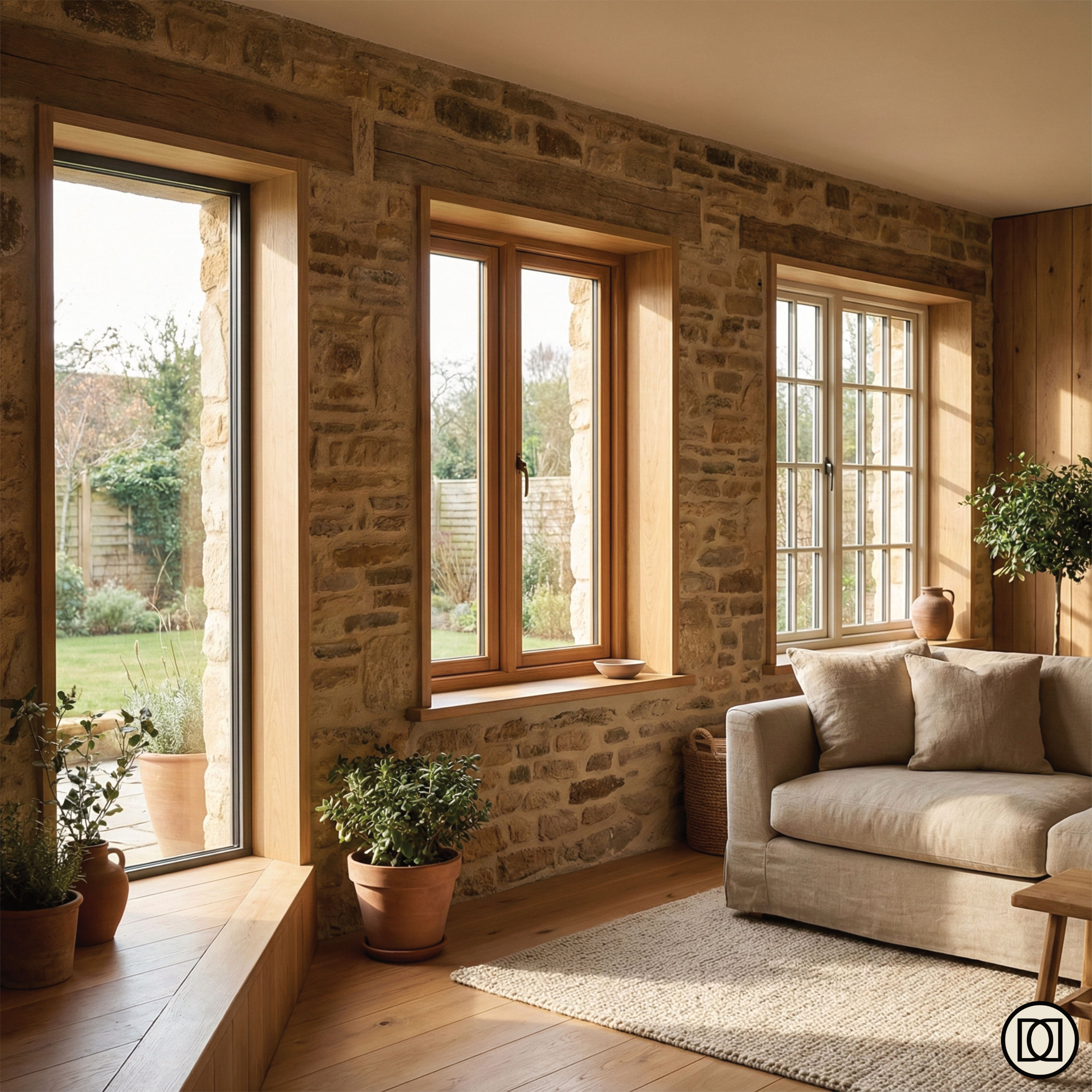
Choosing the Right Window Style for Your Space
Choosing new windows isn’t just a matter of picking a style you like. It’s a decision that affects daylight, energy efficiency, ventilation and the character of your home. With so many options available – timber, aluminium, uPVC, fixed, casement, tilt-and-turn – it’s easy to get lost in the details and forget what really matters. The right window doesn’t shout for attention; it supports the architecture, enhances comfort and quietly improves everyday living. This guide helps you cut through the noise, understand the key criteria and make confident choices that will stand the test of time.
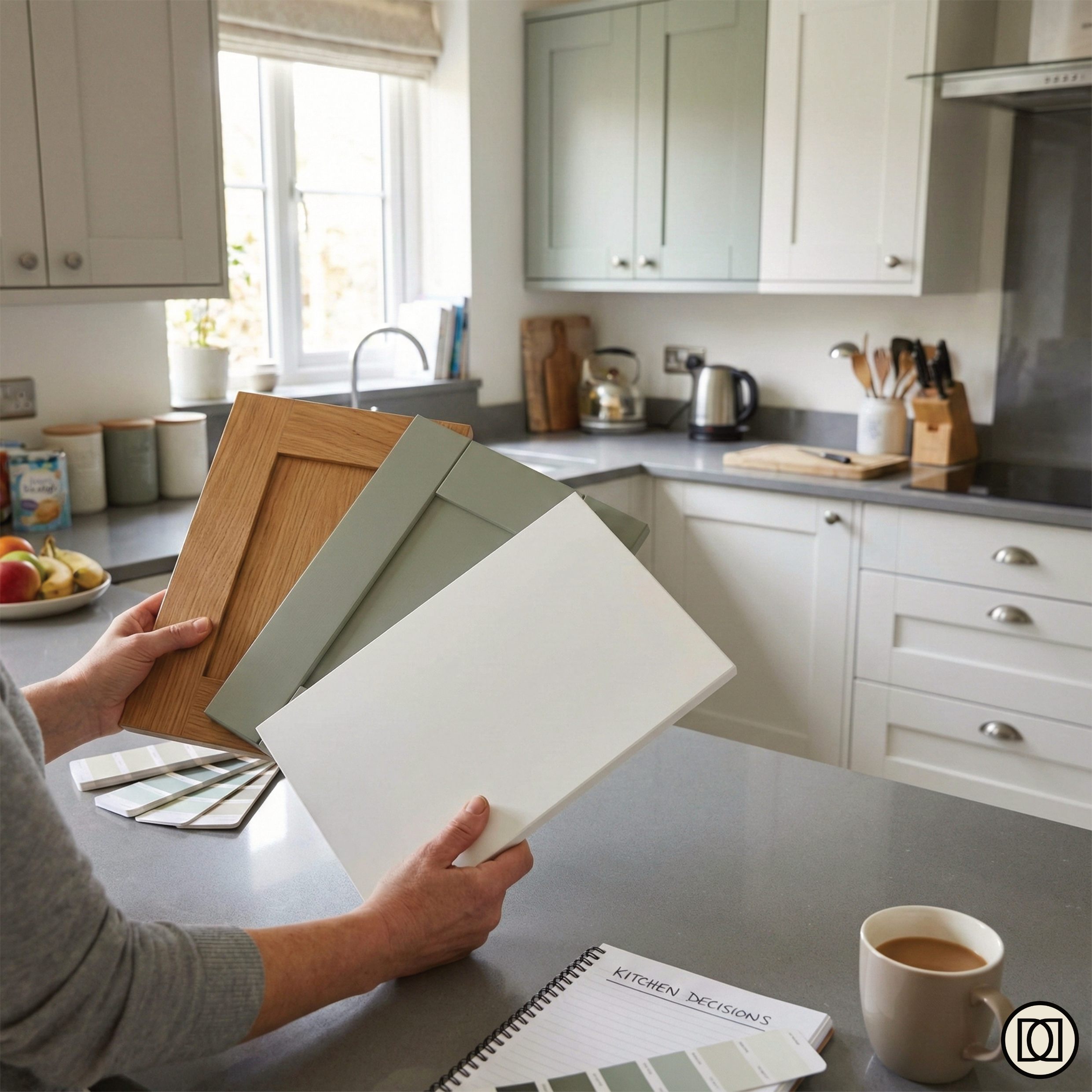
How to Choose Kitchen Units That Work Day to Day
Choosing kitchen units shouldn’t feel like a battle between endless styles, finishes and trends. Yet for many homeowners, it quickly becomes exactly that. Shaker or slab? Painted or timber? Handles or none at all? The real challenge isn’t following what’s fashionable, but understanding what genuinely supports the way you live. A kitchen works day to day when its layout, materials and details feel intuitive. This guide cuts through the noise to help you focus on what matters and make confident choices that feel right for your home.
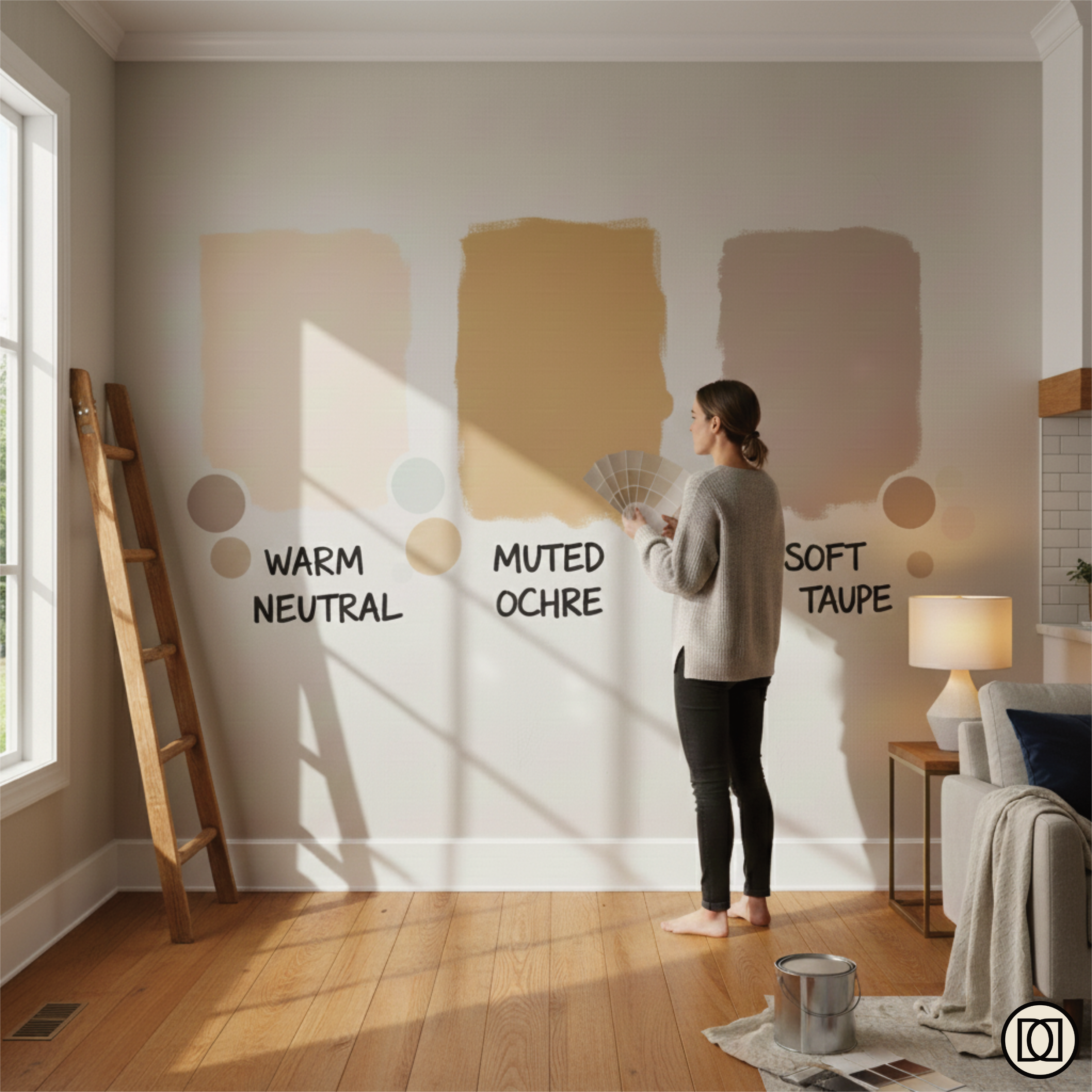
Picking Paint Colours With Confidence
Choosing paint sounds straightforward, yet almost everyone has stood in a room wondering why the shade they loved on the card suddenly feels wrong on the wall. It’s one of the most common design frustrations, and it’s rarely about the colour itself. The real question is why certain tones thrive in one home and fall flat in another.
This article unwraps that mystery. It explores how light, materials and mood quietly shape every paint decision, and why some neutrals sing while others look lifeless. If you’ve ever found yourself juggling sample pots or second-guessing undertones, this guide will help you cut through the confusion.